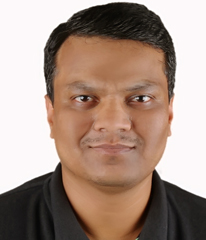
Ghouse Modin Mamdapur

Ghouse Modin Mamdapur

Scientist - R & D

Information and Documentation

Profile ID RP-004-0823 Joined 2026-06-09 30 articles
0Connections
5
Total Views
30
Total Publications
744
Publication Views

Articles(30)

Authors: Jayaprakash G Hugar, Ghouse Modin Nabeesab Mamdapur, M. M. Bachalapur, Pradeep V. Malaji, Ali Kesturu Sabil, Daniil Yurchenko

DOI: 10.18231/j.ijlsit.16335.1775627441

Volume11
Issue1
Pages85-98
Abstract

This scientometric study investigates global research productivity and trends in Vibration Energy and Harvesting from 2015 to 2024, comprehensively analysing the field's growth, collaboration patterns, and academic impact. The study provides insightful analysis by drawing on bibliometric data from 3,900 publications indexed across 965 sources and identifies an annual growth rate of 2.01% and an average of 15.56 citations per document. The dataset includes diverse document types, with journal articles (2,601) and conference papers (1,102) contributing significantly. An analysis of keywords reveals 6,485 author-defined keywords and 12,646 enhanced terms through co-occurrence analysis. Collaborative research emerges as a defining field feature, with an average of 4.25 co-authors per document and 20.08% international co-authorship. Multi-authored works dominate the output, while single-authored documents account for only 2.43% of total publications. Using visualisation tools like VOSviewer, researchers evaluated research trends, facilitating the exploration of co-occurrence and citation metrics. This study highlights key trends, including a steady rise in scholarly activity, robust international collaborations, and significant contributions from highly cited research. These findings offer valuable insights into the dynamic progression of Vibration Energy and Harvesting research, emphasising its growing impact and the importance of collaborative, multidisciplinary approaches. This is an Open Access (OA) journal, and articles are distributed under the terms of the Creative Commons A​t​t​r​i​b​u​t​i​o​n​

Authors: Raju Vaishya, Ashok N Johari, Brij Mohan Gupta, Ghouse Modin Nabeesab Mamdapur, K.S. Ali, Abhishek Vaish

DOI: 10.1051/sicotj/2026024

Volume12
Issue12
Pages34
Abstract

Background : Pediatric bone and joint infections (PBJI) remain a major cause of morbidity in children, with evolving trends in epidemiology, diagnostics, and management. A comprehensive understanding of the global research landscape is essential to identify influential contributions, collaboration patterns, and thematic priorities. This study aimed to perform a bibliometric analysis of PBJI research to map productivity, impact, and knowledge structure. Methods : A systematic literature search was conducted in a major bibliographic database to retrieve PBJI-related publications from 1976 to 2025. Bibliometric indicators including total publications (TP), total citations (TC), citations per paper (CPP), relative citation index (RCI), highly cited papers (HCPs), and international collaborative papers (ICPs) were analyzed. Network analyses of keywords, authors, institutions, countries, and journals were performed using VOSviewer to assess collaboration patterns and research themes. Results : A total of 1,556 publications were identified. Journal articles dominated output (82.4%), while reviews showed higher impact (CPP 31.67; RCI 1.90). English-language papers accounted for 89.1% of publications and 97.5% of citations, including all 28 HCPs. Research output and impact were concentrated in a few high-income countries, led by the USA and the UK. Citation distribution was highly skewed, with 18.4% uncited papers and only 6.3% of publications receiving more than 50 citations. Keyword analysis revealed four major thematic clusters centered on osteomyelitis, septic arthritis, pathogens (especially Staphylococcus aureus ), diagnostics, and treatment. Collaboration networks were selective and fragmented, with a small core of influential authors and institutions. Conclusion : PBJI research is a mature but uneven field, driven by a limited number of high-impact contributors and focused clinical themes. Strengthening international collaboration and improving visibility of research from underrepresented regions are critical for balanced global advancement.

Authors: Raju Vaishya, Brij Mohan Gupta, Ghouse Modin Nabeesab Mamdapur, Shri Ram, Abhishek Vaish, Kartikeyan P Iyengar

DOI: 10.1093/postmj/qgag066

Volume0
Issue0
Pages01-12
Abstract

Abstract Purpose of the Study To conduct a comprehensive bibliometric analysis of publications in the Postgraduate Medical Journal from 1927 to 2025, examining publication trends, citation impact, authorship characteristics, institutional productivity, international collaborations, and thematic evolution. Study Design Bibliometric analysis of publications indexed in SCOPUS. Data were retrieved and analysed using established bibliometric tools to evaluate publication output, document types, citation patterns, contributing countries and institutions, collaborative networks, and keyword-based thematic trends. Results A total of 18,169 publications were identified, receiving 210,317 citations, with an average of 11.57 citations per paper. Research articles accounted for the majority of publications (67.81%), followed by review articles (13.18%). Although fewer in number, review articles demonstrated nearly threefold higher citation impact compared with research articles. The United Kingdom contributed the highest number of publications, while increasing contributions from more than 100 countries, particularly the United States, India, and China, reflected the journal's expanding international reach. Keyword and thematic analyses highlighted major research focus areas including medical education, chronic diseases, and clinically oriented research topics. Conclusions The Postgraduate Medical Journal has maintained a strong and sustained scholarly influence over nearly a century of publication. Its evolving international collaborations and broad thematic coverage underscore its continuing importance in postgraduate medical education and clinically relevant research worldwide.

Authors: Raju Vaishya, Amit Agrawal, Brij Mohan Gupta, Ghouse Modin Nabeesab Mamdapur, Alok Singh, M. Chaman Sab, S. Madhu, Luis Rafael Moscote-Salazar, Rafael Cincu, Sunny Duttagupta

DOI: 10.25259/jnrp_23_2026

Volume0
Issue0
Pages1-11
Abstract

Objectives: The Journal of Neurosciences in Rural Practice (JNRP), launched in 2010 as an open-access, peer-reviewed journal, has emerged as a platform addressing neurological disorders in rural and resource-limited settings. Despite 16 years of publication, a comprehensive bibliometric evaluation of its scholarly performance has not previously been undertaken. The objective of the study is to systematically map the journal’s publication output, citation impact, authorship patterns, institutional contributions, international collaboration networks, funding profile, highly cited papers (HCPs), and thematic evolution from 2010 to 2025. Materials and Methods: A total of 2,386 records indexed in Scopus (retrieved January 2026) were analyzed. Bibliometric indicators including total publications, citations, citations per paper (CPP), h-index, relative citation index, document types, funding patterns, and citation distribution were computed using Microsoft Excel. Co-authorship, country collaboration, and keyword co-occurrence networks were visualized using VOSviewer. Results: JNRP published 2,386 documents (mean 149/year), accruing 14,339 citations (CPP 6.01; h-index 40). Output peaked in 2013 and 2017, with earlier publications demonstrating higher citation impact. India contributed 62.7% of publications, while 73 countries participated overall; international collaboration accounted for 17%. Citation distribution was skewed, with 27% uncited and 3% of papers contributing over one-quarter of total citations. Reviews showed the highest impact (CPP 18.16). Funding was limited (1.68% papers). Leading institutions included the National Institute of Mental Health and Neuro Sciences and the All India Institute of Medical Sciences campuses. Thematic clusters identified five major domains: neurosurgery/trauma, epilepsy/mental health, neuroimaging/symptomatology, tumors/spine, and cerebrovascular risk factors. Twenty-six HCPs (≥50 citations) accounted for substantial citation share. Conclusion: JNRP has established itself as a significant India-centric yet internationally engaged journal focusing on rural neuroscience. While demonstrating competitive citation impact and thematic diversity, the journal would benefit from stronger multinational collaboration, enhanced funding support, and strategic thematic expansion to further strengthen its global influence in brain health research.

Authors: BM Gupta, SM Dhawan, KK Mueen Ahmed, Ghouse Modin Mamdapur

DOI: 10.5530/ijmedph.2021.2.14

Volume11
Issue2
Pages76-84
Abstract

The study aims to evaluate global research output (103054 records) on coronavirus disease (COVID-19) based on quantitative and qualitative indicators. It presents a bibliometric profile of most influential countries, organizations, authors and journals and their collaborative linkages, besides identifying broad subject areas of research, most significant keywords and highly-cited papers related to COVID-19. During 2020-21, more than 150 countries participated in COVID-19 research, of which top 10 countries accounted for a 82.93% global share. The USA, China and U.K. produced the most articles (25.86%, 10.77% and 10.7% respectively). The top three organizations, namely Harvard Medical School, USA, Huazhong University of S&T, China and Tongji Medical College, China contributed 1755, 1344 and 1267 papers, respectively. The most cited organizations in COVID-19 research are: Peking Union Medical College, China (97.41 CPP), University of Hong Kong (82.17 CPP) and Renmin Hospital of Wuhan University, China (59.88 CPP). The top three most productive authors are: V. Wanitlit, E. Mahase and G. Lacobucci (with 152, 135 and 108 papers). The top three most cited authors in terms of citations per paper (CPP) are: Y. Hu (319.82), L. Liu (303.91) and J.F.W. Chan (169.55). The most productive organizations originate from most productive countries and they contribute the most collaborative papers. The top three journals, namely International Journal of Environmental Research, BMJ and PLOS One contributed 961, 854 and 781 papers, respectively. The top three journals in terms of citations per paper (CPP) are New England Journal of Medicine (122.78), The Lancet (106.3) and JAMA (75.17). The most ubiquitous topic was COVID-19 clinical studies, with maximum focus on virological aspects (9.58%), respiratory aspects (6.97%), molecular aspects (3.11%), genetic aspects (3.09%) and immunological aspects (1.3%). The results of this study should be of interest to working scientists, clinicians and policy-makers in improving their understanding of COVID-19 disease and in its management.

Authors: Raju Vaishya, Brij Mohan Gupta, Anoop Misra, Ghouse Modin Mamdapur, Abhishek Vaish

DOI: 10.1016/j.dsx.2022.102654

Volume16
Issue11
Pages102654
Abstract

Background and aims This bibliometric analysis aims to analyze the high-cited papers (HCPs), those which have received >100 citations) on Sarcopenia to provide insight into publication performances and research characteristics of the literature. Methods Global HCPs on Sarcopenia research were identified from the Scopus database from January 1993 to August 2022. VOSviewer, and Biblioshiny software were used to visualize the collaborative interaction among most productive countries, organizations, authors, and keywords. Select bibliometric measures were applied to evaluate the publication productivity and their influence in this area. Results Out of 6219 publications on Sarcopenia only 398 were HCPs. These HCPs received an average of 271.7 citations per publication (CPP). The most productive organizations were the Università Cattolica del Sacro Cuore, Italy, and Jean Mayer USDA Human Nutrition Center on Aging, USA. The most impactful organizations in terms of CPP and relative citation index were CHU de Toulouse, France, and Università Cattolica del Sacro Cuore, Italy. The most productive authors were Landi F and Morley JE, and Anker SD from Italy and Germany respectively. The most impactful authors were: Cederholm T (Sweden), Cruz JAJ (Spain) and Rolland Y (France). There were few/no HCPs from South America, Africa, South Asia, and USSR. Conclusion Sarcopenia research has been predominantly done in USA, Europe, and China, and rarely from low and middle-income countries. Further focus of research should be on its etiopathogenesis (especially at the molecular level), prevalence in different communities, methods to diagnose it in early stages, and its cost-effective management.

Implementing radio frequency identification technology in libraries: Advantages and disadvantages 2011

Authors: Ghouse Modin N Mamdapur, Iqbalahmad U Rajgoli

Volume3
Issue3
Pages46-57
Abstract

Radio frequency identification (RFID) technology is an innovative automated library system for automatic identification and tracking of library material. Currently, RFID applications range from book tracking and stock management, to theft detection and automatic book sorting. RFID technology is a dynamic link between people, objects and processes and in the near future it plays a prime role in data collection, identification as well as analysis necessary for specific library operations. An automated library with the support of RFID technology would be a “self service station” that demands least intervention by the library personnel. Efforts are being made to introduce self-service “check-in” and “check-out” that avoid long delay in the delivery of library material and also for achieving better efficiency in operations. RFID is used in libraries primarily to automate the book handling process including check-out, inventory control, check-in and anti-theft. When combined with computer assisted sorting equipment, RFID facilitates and speeds up even book sorting. Automating the library material handling process allows library professionals to spend more time with the clientele, thus, increasing the ‘user satisfaction’. The potential benefits are obvious and the systems are getting cheaper. When the technology matures even more and competition increases in the industry, better tags and equipment will become more economical. It may only be a matter of time before radio frequency identification technology will completely replace barcode systems and become the standard for every organization. In this paper an attempt has been made to describe different …

Authors: Ghouse Modin Nabeesab Mamdapur, Manjunath B. Hadimani, K. S. Ali, Engin Senel

DOI: 10.51983/ijiss.2019.9.1.589

Volume9
Issue1
Pages76-84
Abstract

The Journal of Horticultural Science and Biotechnology is a bimonthly peer-reviewed journal published by Taylor and Francis. The present bibliometric analysis depends on 1059 articles distributed from 2008 to 2017 in 60 issues of the journal. An effort has been made to consider distinctive bibliometric markers, for instance year-wise conveyance of articles, length of the articles, authorship pattern, author productivity, year-wise appearance of references, dissemination of cited references, different forms of resources used and cited by authors in their research work, ranked list of prolific authors, journals and organizations.

Authors: Sandeep Grover, B.M. Gupta, Ghouse Modin Mamdapur

DOI: 10.1016/j.ajp.2021.102817

Volume65
Issue11
Pages102817
Abstract

The paper examines the global research output on suicidal behavior during the COVID-19 pandemic. The Scopus database was used to identify the publications on suicidal behavior during the COVID-19 pandemic from the beginning of the pandemic to up to 17th May 2021. The 686 publications emerging from 78 countries were found on the topic. These publications received 7970 citations, with an average of 11.62 citations per paper. About one-sixth (16.33%) of the total publications were funded, and these publications averaged 17.24 citations per paper. The publications from the top 10 most productive countries accounted for 92.71% of all publications. The highest number of publications emerged from United States, United Kingdom, and India. However, the relative citation index was highest for publications arising from France, Bangladesh, and Germany. The total number of organizations and authors involved in these publications were 286 and 290, respectively. The top 20 most productive organizations and authors contributed to 35.13% and 17.64% of publications and 79.15% and 58.61% global citations share, respectively. The maximum number of papers were published in the Asian Journal of Psychiatry, followed by Psychiatry Research and Lancet Psychiatry. This study suggests that suicidal behavior has received considerable attention during the ongoing COIVD-19 pandemic.

Baltic Astronomy (2000-2008)–A bibliometric study 2011

Authors: Ghouse Modin N Mamdapur, Rajalaxmi A Govanakoppa, Iqbalahmad U Rajgoli

Volume58
Issue1
Pages34-40
Abstract

Analyses articles in Baltic Astronomy published during the years 2000 to 2008 with regard to distribution of contributions, authorship pattern of contributions, distribution of references, analysis of length of papers, etc. Out of 8489 references appended, 1521 (17.92 percent) appeared in the year 2004. The degree of collaboration for the period 2000-2008 was 0.89. Authors have primarily relied on journals followed by books, conference proceedings and reports. Authors from USA have contributed maximum number of papers compared to other countries and India stood 21 st in the ranked list. Astrophysical Journal topped the ranked list of journals cited by the authors followed by Astronomy and Astrophysics. It can be concluded that top 20 journals cited by the authors cover almost 87.60 percent of references and also indicates that collaborative research is prevalent in astronomy research.

Authors: B. M. Gupta, S. M. Dhawan, Ghouse Modin Mamdapur

DOI: 10.1080/0194262x.2021.1892563

Volume40
Issue3
Pages282-300
Abstract

The study examines global “Quantum Cryptography” research on a set of quantitative and qualitative metrics to understand the status of research in the subject at global, national, institutional, and individual level. The analysis is based on publications data in the subject comprising a total of 10801 publications as indexed in the Scopus database covering the period 1992–2020. The study provides a window to most productive countries, research organizations and authors in the subject, to most popular broad subject areas in research, to top modes of research communication, and in addition it describes the characteristics of highly cited papers. The study maps the most productive countries, organizations, authors, and keywords in the context of collaborative research. The quantum cryptography research registered a 24.76% annual average growth, accrued an average of 23.01 citations per paper (CPP) since their publication, and it contributed a 4.03% of its output as highly cited papers, with an average of 305.46 citations per paper since their publication. Scholarly journals accounted for a 59.61% global publications share. Nearly 29% of the total output on “Quantum Cryptography” resulted from projects funded by 100+ national and international funding agencies.

Authors: Raju Vaishya, Brij Mohan Gupta, Anoop Misra, Ghouse Modin N. Mamdapur, Rajpal Walke, Abhishek Vaish

DOI: 10.1016/j.dsx.2023.102898

Volume17
Issue11
Pages102898
Abstract

Background and aims This study aimed to assess the current status of India's COVID-19 research from the top 100 most cited papers, using bibliometrics methods and indicators and suggest strengths and weaknesses. Methodology Publications on COVID-19 research from India between December 2019 and 22 August 2023 were retrieved from the Scopus database. From 37101 studies retrieved, the first top 100 Highly Cited Papers (HCPs) having received 270 to 2931 citations, were identified. Results The top 100 most cited Indian papers were published from 2020 to 2023, with the majority (75) in the year 2021, followed by 24 in 2022. They were cited a total of 56661 times (average - 566.61 times). The 242 authors of these HCPs were from 159 Indian organizations, and the articles were published in 60 journals. 29 % and 59 % of these HCPs received external funding support and were involved in international collaborations, respectively. There was poor collaboration among Indian research institutions and a dearth of funding from India. None of the Indian HCPs figured in the global 100 HCPs. Conclusions Although citations of research papers published from India increased during COVID-19, limited collaboration, inadequate funding, and subpar publications hindered Indian scientists. To enhance India's research landscape, we propose dismantling barriers, nurturing collaboration, and encouraging knowledge exchange among domestic institutions.

Authors: Raju Vaishya, Brij Mohan Gupta, Ghouse Modin N. Mamdapur, Abhishek Vaish, Filippo Migliorini

DOI: 10.1186/s10195-023-00709-3

Volume24
Issue1
Pages1-14
Abstract

Abstract Introduction A highly cited paper (HCP) is considered a landmark that can influence both research and clinical practice. The characteristics of HCPs in avascular necrosis of the femoral head (AVNFH) were identified and the research status was explored in a scientometric analysis. Methods The present bibliometric analysis were based on the Scopus database from 1991 to 2021. Microsoft Excel and VOSviewer were used for co-authorship, co-citation, and co-occurrence analysis. From 8496 papers, only 2.9% (244) were HCPs, with 200.8 citations registered per article. Results Of the HCPs, 11.9% and 12.3% were externally funded and had international collaboration, respectively. These were published in 84 journals by 1625 authors from 425 organizations of 33 countries. The USA, Japan, Switzerland, and Israel were the leading countries.The lead research organizations were Sinai Hospital and John Hopkins University (USA). The most impactful organizations were University of Arkansas for Medical Science, and Good Samaritan Hospital (USA). R.A. Mont (USA) and K.H. Koo (South Korea) were the most prolific contributing authors, while R. Ganz (Switzerland) and R.S. Weinstein (USA) registered the most impactful contributions. The most prolific publishing journal was the Journal of Bone and Joint Surgery. Conclusion The HCPs contributed to the knowledge of AVNFH by examining research perspectives and identifying important subareas through keyword analysis. Level of evidence: Not applicable. Trial registration: Not applicable.

Authors: Raju Vaishya, Brij Mohan Gupta, Mallikarjun M. Kappi, Ghouse Modin Nabeesab Mamdapur, Abhishek Vaish

DOI: 10.1016/j.jcot.2024.102373

Volume50
Issue2
Pages102373
Abstract

Background and aims Prosthetic Joint Infection (PJI) is a serious clinical problem after Arthroplasty. The research field on PJI is emerging, but there is a paucity of information on the most impactful publications on it. This prompted us to conduct a bibliometric analysis of the global research output, from 2003 to 2022, to identify the growth of publications, the key players in this research field and to evaluate the characteristics of highly-cited publications (HCPs) on the PJI. Methods Publications related to PJI research were identified globally from the Scopus database, using specific keywords, covering the literature from 2003 to 2022. The HCPs were considered those with 100 or more citations. Information on publication year, citation count, funding sources, title, author, journal, country, institution, research area, and strategic keywords were collected from these HCPs. Publication data was imported into Microsoft Excel and analyzed further using VOSviewer and R software. Results There were 182 HCPs (3.12%), which received a total citation of 124701 (average CPP of 21.41), with the citation range from 100 to 1921. Research articles were the most predominant publications (69.2%), but their average citations per paper (CPP) of 189.78 was lower than that of Review articles (average CPP: 253.17). The USA has been the leading country in terms of total publications (31.58%), and HCPs (36.99%), followed by Switzerland, Spain, UK and China. There were no HCPs from developing countries. J. Parvizi of Thomas Jefferson University, USA (with a total publications of 31 and an average CPP of 315.7), and W. Zimmerli of Basel University, Switzerland (with a TP of 11 and an average CPP of 341.9), were the most productive and impactful authors in PJI global research output. Conclusion This bibliometric analysis identified the most productive and impactful authors, organizations, countries, and journals in the research of PJI, of the last two decades.

Authors: Raju Vaishya, Brij Mohan Gupta, Ghouse Modin Nabeesab Mamdapur, Mallikarjun M Kappi, Abhishek Vaish

DOI: 10.1007/s43465-024-01111-9

Volume58
Issue6
Pages650-660
Abstract

Abstract Introduction This study presents a global research scenario in the broad domain of osteoarthritis (OA) research, using quantitative and qualitative publication and citation indicators. Methods The study is based on 45,368 global publications, sourced from the Scopus bibliographical database, covering three decades (1994–2023). We studied the performance of the top 12 developed and top 12 developing countries. The key countries, organizations and authors at national and international levels were identified. The broad subject areas and key journals contributing to global OA research were delineated, besides identifying the broad characteristics of highly cited papers in the field. Results The United States and China were the most productive countries, while the Netherlands and Canada made the largest citation impact. Harvard Medical School and the University of Sydney made the most contribution, while Boston University and Pfizer Inc., USA registered the highest citation impact. Hunter DJ and Guermazi A were the most productive authors, while Lohmander LS, and Hochberg MC registered the highest citation impact. Osteoarthritis and Cartilage (n = 4879) and Annals of the Rheumatic Diseases (n = 786) published the maximum papers, while Arthritis and Rheumatism and Nature Reviews Rheumatology registered the largest citation impact. The highly cited papers with 100 or more citations constituted 6.25% of the total publications. Conclusions There has been a systematic growth of publications on OA. The research on OA was mainly done in developed countries, with the maximum publications coming from the United States of America, China and Canada. The most impactful publications on OA were from the Netherlands, Canada and the United States of America.

Authors: Brij Mohan Gupta, Ghouse Modin Mamdapur, Saniya Gupta, Latika Rohilla, Devi Dayal

DOI: 10.5530/jyp.2021.13.89

Volume13
Issue4
Pages356-362
Abstract

Background: Mucormycosis is an invasive filamentous fungal infection that usually occurs in immunocompromised individuals. Although the disease is well-researched, the assessment of global research on mucormycosis is scarcely reported. Materials and Methods: We used Elsevier’s Scopus database to retrieve mucormycosis publications from 1998 to 2021. Using various bibliometric tools, the publication data were analyzed with regard to the growth in the number of publications, their citations, top-yielding organizations and authors, collaborations, and productive journals. Results: One hundred twenty countries contributed 5658 publications to research on mucormycosis. The USA leads with a 30.6% share, followed by India (14.1%), France, Germany, and Spain (5.4% to 5.8%). The annual and absolute growth was 3.9% and 82.6%; only 11.2% of publications were funded. The average citations per paper decreased from 28.4 to 11.4 during the two 12-yr periods. The research involved 931 organizations and 1123 authors. The leading organizations were the University of Texas, Anderson Cancer Center, USA, PGIMER-Chandigarh, India, and the University of Paris, France, with 154, 150, and 89 publications. Kontoyiannis, Walsh, and Cornely were the most prolific authors contributing 119, 76, and 58 publications. Mycoses, Clinical Infectious Diseases, and Medical Mycology were the most active journals. Conclusion: The quantity of mucormycosis research increased while the quality decreased during 1998-2021. Fostering collaboration between high- and low-income countries may improve the impact of global mucormycosis research.

Authors: Brij Mohan Gupta, Surinder M. Dhawan, Ghouse Modin Mamdapur

DOI: 10.5281/zenodo.20620433

Volume57
Issue3
Pages12-25
Abstract

The present study examines “Support Vector Machines” (SVM) research in India based on bibliometric indicators with the aim to describe the status of research in the subject at global, national, institutional, and author level. The data for the study was sourced from Scopus database covering 18-year period 2002-19. The paper identifies key countries, key subject areas, key SVM applications, key organizations and authors, key journals and highly-cited papers in SVM research. India registered a high 57.15% growth, and a 384% jump in its 9-year cumulative output. India contributed a 7.46% share to the global output, a 10.96% share as international collaborative papers, and a 6.37% share as sponsored research papers. SVM research by India registered an average of 13.10 citations per paper. China leads the world ranking with a global publication share of 48.60% share in SVM research, followed distantly by USA (9.81%), India (7.46%), etc.

Authors: Surinder M. Dhawan, Brij Mohan Gupta, Ghouse Modin Mamdapur

DOI: 10.5281/zenodo.20620572

Volume11
Issue2
Pages65-80
Abstract

The study provides a quantitative and qualitative description of global research in the domain of quantum machine learning (QML) as a way to understand the status of global research in the subject at the global, national, institutional, and individual author level. The data for the study was sourced from the Scopus database for the period 1999-2020. The study analyzed global research output (1374 publications) and global citations (22434 citations) to measure research productivity and performance on metrics. In addition, the study carried out bibliometric mapping of the literature to visually represent network relationship between key countries, institutions, authors, and significant keyword in QML research. The study finds that the USA and China lead the world ranking in QML research, accounting for 32.46% and 22.56% share respectively in the global output. The top 25 global organizations and authors lead with 35.52% and 16.59% global share respectively. The study also tracks key research areas, key global players, most significant keywords, and most productive source journals. The study observes that QML research is gradually emerging as an interdisciplinary area of research in computer science, but the body of its literature that has appeared so far is very small and insignificant even though 22 years have passed since the appearance of its first publication. Certainly, QML as a research subject at present is at a nascent stage of its development.

Authors: Neelesh Kumar Nema, Ghouse Modin Nabeesab Mamdapur, Smitha Sarojam, Swapnil Devidas Khamborkar, Linson Cheruveettil Sajan, Sachithra Sabu, Baby Kumaranthara Chacko, Viju Jacob

DOI: 10.5530/pres.13.4.10

Volume13
Issue4
Pages173-191
Abstract

Pandemic coronavirus disease-2019 (COVID-19) is an infectious disease caused by the newly discovered virus “Severe Acute Respiratory Syndrome-CoronaVirus-2 (SARS-CoV-2)”. Considering the present scenario of COVID-19 outbreak and its impact on humankind, holistic remedies with respect to herbal medicine validated from ethnopharmacological rationale are now targeting approaches globally as a preventive care against SARS-CoV-2. Aim: This review is primarily focused on to deliver a concise fact of the coronaviridae family, pathophysiology, mechanism of action, ethnopharmacological validated Indian herbs for inhibiting the virus with possible targets. Experimental procedure: In this study, science mapping tool Bibliometrix R-package was used to perform bibliometric analysis and building data matrices for keywords co-occurrence investigation, country-wise scientific production; collaboration between the countries worldwide, co-word analysis on topic “keywords associated with SARS-CoV-2 and medicinal plants”. Results and Conclusion: Our findings is to deliver a concise knowledge about the coronaviridae family, pathophysiology, possible targets for managing the SARS-CoV-2, in addition to potential medicinal plants and their phytoconstituents against COVID-19. Target-specific inflammatory pathways due to post infection of SARS e.g. NLRP3, p38-MAPK, Metallopeptidase Domain 17; endocytosis pathways e.g. Clathrin, HMGB1 pathways are primarily highlighted along with relevant interleukins and cytokines, which directly/indirectly triggering to immune system and play a significant role. Based on selective pathways and potential lead, the outcome of our elaborated study put forward selected Indian medicinal plants that hold a very high probability as preventive care in this global crisis.

Authors: Raju Vaishya, Brij Mohan Gupta, Ghouse Modin N. Mamdapur, Abhishek Vaish, Janki Sharan Bhadani, John Mukhopadhaya

DOI: 10.1007/s43465-024-01176-6

Volume58
Issue12
Pages1756-1767
Abstract

Objective The growing interest in this field of fracture nonunion has been informally acknowledged through published studies. A bibliometric analysis was conducted to objectively outline the patterns in published clinical research concerning nonunion fractures by utilizing highly cited papers (HCPs). Methods Through a predetermined search strategy, we gathered literature on the clinical management of nonunion fractures from the Scopus database and utilized bibliometrics to examine the publication dates, countries, institutions, journals, authors, HCPs, and research focal points. Statistical analysis and visualization were conducted using MS Excel and VOSviewer software. Results From 1990 to 2023, a total of 168 HCPs in the field of fracture nonunion were identified. They received an average of 167.68 citations per paper (CPP). Among them, 4.08% received external funding, while 17.26% were involved in international collaboration. The United States (49.4% share) was the most productive country and France had the highest citation impact. P.V. Gianoudis had the highest productivity with 13 publications and P. Hernigou had the highest citation impact. The Mayo Clinic was the most productive organization and Hopital Henri Mondor achieved the highest citation impact. The most productive journal was Clinical Orthopedics & Related Research, and the Journal of Bone & Joint Surgery, American Volume had the highest average citation impact. Conclusion This contemporary bibliometric study illustrates the research features and developments of nonunion fractures. Through the use of VOSviewer, key countries, organizations, and authors could be identified, providing researchers with essential information to pinpoint current and future areas of interest in fracture nonunion.

Authors: Ghouse Modin Nabeesab Mamdapur, Gururaj S. Hadagali, Manjunath D. Kaddipujar

DOI: 10.5958/2249-5576.2021.00001.7

Volume11
Issue1
Pages1-11
Abstract

The present study analyses the scientific productivity of KarnatakUniversity, Dharwad for the period from 1960 to 2019 using the Scopus citation database. KarnatakUniversity, Dharwad is one of the premier higher educational institutions that cater to the educational needs of North Karnataka. A total of 4990 publications were extracted from the Scopus database. The investigation endeavors to quantify the growth of KUD's scholarly literature in terms of the authorship pattern, year-wise distribution of publications and citations, domain-wise distribution of publications, a ranking of authors, ranking of highly cited publications, collaboration, and so on. The results indicate that the Science faculty has contributed 4785 (95.89 %) publications out of 4990. Among the Departments, the Department of Chemistry contributed to 1701 (34.09 %) publications, followed by Physics (870, 17.43 %) and Polymer Science (523, 10.48 %). T.M. Aminabhavi found to be the most prolific author in KarnatakUniversity, Dharwad (491, 9.84 %), followed by S.T. Nandibewoor (364, 7.29 %). The Indian Institute of Science, Bengaluru was the most collaborated institute with KarnatakUniversity, Dharwad (102 publications), followed by Chonbuk National University, South Korea (94 publications). USA was the most collaborated country (258 publications, 8104 citations), followed by South Korea (161 publications, 3300 citations).

Authors: Ghouse Modin N. Mamdapur, Gururaj S. Hadagali, Manoj Kumar Verma, Manjunath D. Kaddipujar

DOI: 10.5958/2249-5576.2020.00039.4

Volume10
Issue4
Pages211-218
Abstract

The main aim of this study is to analyse the publication pattern of the Flavours and Fragrance Journal (FFJ) published between 2000 and 2019 indexed in Scopus International database. The data was collected using the ISSN of the journal. The authors examined various Scientometrics indicators such as Relative Growth Rate (RGR), Doubling Time (Dt.), Annual Growth Rate (AGR), Compound Annual Growth Rate (CAGR), Lotka's Law of Scientific Productivity, Authorship pattern especially Collaborative Co-efficient, Modified Collaborative Co-efficient, Collaborative Index along with other basic indicators. The results of the study indicate that the research published in FFJ has increased over some time; CAGR of the journal is below 5.0% growth rate for all years, except 2005 (5.77 CAGR); there were 1466 (96.98%) multiple-authored research papers published in the journal compared to 45 (3.02%) single-authored research papers; among the productive institutions, the Central Institute of Medicinal and Aromatic Plants, Lucknow has published the highest publications (152); 106 countries have contributed to the FFJ. France has emerged as a major contributor with 224 publications, followed by Italy (138) and India (118) respectively and the highest frequency keyword used by the authors was “essential oil” with 329 publications.

Authors: Sandeep Grover, B.M. Gupta, Ghouse Modin Mamdapur

DOI: 10.1177/0973134220210311

Volume17
Issue3
Pages167-181
Abstract

This study aims to evaluate the global research focusing on the mental health of Children & adolescents during the COVID-19 pandemic by using bibliometry. The bibliometric parameters considered for this study include the country of origin of the publications, organizations of the authors, keywords of the research focusing on the issue, and the citations received by these publications.

Authors: Sandeep Grover, Gupta BM Gupta, Mamdapur GM Mamdapur, Surulinathi M Surulinathi

DOI: 10.5530/jyp.2021.13s.74

Volume13
Issue3
Pagess72-s77
Abstract

The paper examines global research output (1656 records) on “Impact of Covid-19 on Sleep Disorders”, based on publications indexed in the Scopus database. The global publications on this theme averaged 15.05 citations per paper. About 19.02% share of its total publications on this theme received external funding support and averaged 34.59 citations per paper. Ninety-five countries unevenly participated in global research output on “Impact of Covid-19 on Sleeping Disorders”, of which the top 10 most productive countries accounted for 87.62% and more than 100% share in global publications and citations. The USA, China and Italy led in global publications ranking and productivity as against China (2.52), U.K.( 2.26) and Italy (1.67) leading in terms of relative citation index. The 527 organizations and 773 authors participated in global research on this theme, with top 15 most productive organizations and authors contributing to 21.62% and 6.28% global publications share and 63.70% and 56.20% global citations share. Huazhong University of Science & Technology, China, and Tongji Medical College, China and Harvard Medical School, USA were the most productive global organizations (with 40, 38 and 33 papers) and Capital Medical University, China (153.85 and 10.22), Wuhan University, China (109.33 and 7.26) and Renmin Hospital of Wuhan University, China (108.10 and 7.18) were the leading most impactful organizations in terms of citation per paper and relative citation index. Z. Liu, S. Grover and G. Wang were the most productive authors (with 9, 8 and, 8). L.Kang (395.17 and 26.26), Y. Wang (395.17 and 26.26) and, S. M​

Authors: Brij Mohan Gupta, Ghouse Modin Mamdapur, Devi Dayal

DOI: 10.5530/ijmedph.2021.3.24

Volume11
Issue3
Pages133-138
Abstract

Introduction: Mucormycosis is a well-researched infection worldwide. The Indian contribution to global mucormycosis research remains unevaluated. Materials and Methods: Elsevier’s Scopus database was used to retrieve Indian publications on mucormycosis during 1998-2021. The extracted data were analyzed in terms of the number of publications, citation metrics, top productive organizations and authors, research collaborations, and active journals, using appropriate bibliometric tools. Results: India produced 799 publications on mucormycosis during 1998-2021. The publications grew at 8.5% annually and 175.1% cumulatively and received on average 9.6 citations per paper (CPP). Only 8.7% of publications involved international collaboration. The most researched types of mucormycosis were pulmonary and gastrointestinal, while diabetes mellitus and diabetic ketoacidosis were the top risk factors studied. Most of the research focused on clinical studies and treatment, while genetics was the least researched aspect of mucormycosis. The top 20 of the 294 organizations and 384 authors that participated in research contributed 59.7% and 29.4% to the total national output, and 97.3% and 76.2% to total citations, respectively. The most productive organizations were PGIMER-Chandigarh, AIIMS-New Delhi, and CMC-Vellore, and the most prolific authors were A. Chakrabarti, M.R. Shivprakash, and J. Chander. Indian Journal of Otolaryngology and Head and Neck Surgery, Mycosis, and BMJ Case Reports were the high-yielding journals.

Authors: Raju Vaishya, Patinharayil Gopinathan, Brij Mohan Gupta, Ghouse Modin N. Mamdapur, Abhishek Vaish

DOI: 10.1016/j.jor.2024.08.013

Volume60
Issue1
Pages35-43
Abstract

Background and aims We provide an overview and data visualization trends of orthopaedic research published by the Journal of Orthopedics (JOO) from 2013 to 2024. Methods We used Scopus database to retrieve all articles published by the JOO from 2013 to 2024, as of 15.7.2024. Bibliometric analysis and visualization of the global orthopaedic literature were performed using Microsoft Excel and VOSviewer software to explore the research hotspots in this field in the past 12 years. Results The 2074 publications covered in the JOO published between 2013 and 2024 were identified. The annual average and six-year cumulative publications depicted growth rates of 36.23 % and 147.99 %, respectively. Of the 80 global publications, the main participating countries were from Europe (n = 26), and Asia (n = 13). North America (37.37 %), Europe (34.89 %) and Asia (30.42 %) contributed a significant share of journal output. The most contributing countries were the USA, followed by the U.K., India, and Japan. The visualization and analysis of topical research trends reveal that the JOO covers almost the entire spectrum of orthopaedic research, with the most focus on the Knee (26.38 %), Hip (21.53 %), Shoulder (8.79 %) and Spine (7.09 %) and its subfields, such as arthroplasty (882 papers), surgery (192 papers), radiography (177 papers), osteoarthritis (166), pain (135 papers), fractures (133) and arthroscopy (70). The 68 (3.32 %) of the 2047 publications received 30 and above citations and together received 3466 citations, constituting 51.73 % share of total citations. The Hospital for Special Surgery (USA), and Singapore General Hospital were the most productive organizations, while the most impactful organizations were the University of Toledo Medical Center (USA), and Università degli Studi di Messina (Italy). The most productive authors were R. Vaishya (India), and J.A. Dubin (USA), whereas V. Filardi (Italy) and J.M. Newman (USA) were the most impactful authors of the JOO. Conclusion The JOO is a destination for global orthopaedic research. It has progressively received an increasing number of manuscripts and depicted high annual average publication growth rates, besides witnessing an increase in the significant number of citations received. It has helped to improve the journal's ranking, impact and reputation.

Authors: K. S. Ali, Ghulam Jeelani Shah, Ghouse Modin Nabeesab Mamdapur ., Khaisar Muneebulla Khan

DOI: 10.51983/ijiss.2018.8.3.550

Volume8
Issue3
Pages45-51
Abstract

This paper focuses on the use of web-based library services in India and examines how libraries in the Institutions of National importance in India provide web access to their collections and other services. The study sample for the present study were Thirteen (13) institutions of National importance located at Karnataka, Kerala and Tamil Nadu states which were selected using purposive sampling technique based on the research objectives. The data was collected using a web-based survey by examining the library websites of the select institutions using a check-list of 52 items covered topics of library general information, library resources, library services, links to e-resources, Web 2.0 tools and Web 3.0 tools. This particular check-list was developed by the researchers after analyzing the related literature reviews and previous studies related to the topic. Finding shows that many of the surveyed Institutions of National importance in India’s libraries have not fully exploited the potential of the web forms, and are still lagging behind to make the effective use of library websites. Among the selected institutions, few libraries were found to offer web-based library services in different sections. The present paper highlights the present status of the web-based library services in the select Institutions of National importance in India’s librarians in Southern India. The study also highlights the role of Web 2.0 and Web 3.0 environment to enhance the quality of web-based library services and suggest new approaches for effective use of web-based library services.

Authors: Iqbalahmad Umarfaruk Rajgoli, Ghouse Modin Nabeesab Mamdapur, Ponniah Prabahar

DOI: 10.5281/zenodo.20620748

Volume6
Issue1
Pages52 - 57
Abstract

The bibliometric portrait of Journal of the Indian Society of Remote Sensing concentrates on four decades publication trends from 1973-2014. The study analyzed 1310 research articles published in 140 issues of the journal. An attempt has been made to study various bibliometric indicators such as year-wise distribution of articles, authorship pattern & productivity, distribution of cited references, different forms of resources used and cited by authors in their research work, ranked list of prolific authors, journals & institutions. Efforts have also been made to test Lotka’s law of scientific productivity.

Authors: Meghana B. P., Ghouse Modin N. Mamdapur, Sidhartha Sahoo

DOI: 10.2139/ssrn.4343696

Volume5196
Issue5196
Pages01-15
Abstract

In the current study, we presented an overview of the publication profile of Food and Bioproducts Processing (FBP), a leading international journal on food processing. The detailed analysis was made to measure its scientific progress from 1995 to 2019 by identifying publication trends, most cited articles, leading institutes, and profolic countries. The publication dataset and citations information were retrieved from the Scopus bibliographic database hosted by Elsevier. Several scientific achievements were observed in publications (n=1548), impact factor 3.726 or CiteScore 6.10, and the citations (a total of 33,663) over the 25-year time frame. The factorial analysis revealed that the journal research focuses on two clusters. The first cluster focused on moisture determination, spray drying, mathematical models, thermal processing foods, food products and food processing, and the second cluster focuses on research areas of the dimension of surface properties, organic solvents, response surface methodology, antioxidant activities, flavonoids, solvent extraction and fermentation. Although citations have increased significantly need wider publicity of the work. The most cited articles were identified with the interdisciplinary research within food science and technology and added to reinforce science advancement within the field. Overall, these findings highlighted the evolution, progress, quality, and efficiency of the journal and provided early-profession researchers/specialists with an opportunity to lead more inventive studies in food science and technology (FST).

Authors: Ghouse Modin N. Mamdapur, Iqbalahmad Rajgoli, Santosh M. Chavan, Kiran S. Khamitkar

DOI: 10.2139/ssrn.3966787

Volume1
Issue1
Pages01-19
Abstract

Analyse articles in SRELS journal of information management published during the years 2004-2013 and to study the key dimensions of its publication trends. For this study 10 volumes containing 48 issues have been taken up for evaluation. Necessary bibliometric measures are applied to analyse different publication parameters. In all 499 articles are published with an average 49 articles each year. The collaborative measures are calculated as per Ajiferuke et al (0.35), Lawani (2.28) and Subramanyam (0.65). The average author per article is 1.83 for 499 articles. Lotka’s law is tested and conforms to a value of n= 2.27. There are 6224 citations found appended to 499 articles during the period 2004-2013. Journals (44.49%) are the top form of source used by authors followed by books (22.51%) and web pages (15.60%). Ranked list of prolific authors and ranked list of journals is prepared and presented in respective tables. Khaiser Nikam and MP Satija have topped the ranked list of prolific authors with 11 articles each. SRELS Journal of Information Management topped the ranked list of journals with 197 (7.11%) citations. Among different countries contributing to this journal, authors from India (94.75%) have made maximum contributions. Authors from Karnataka (43.59%) have contributed majority of articles among Indian States. Bradford’s Law of Scattering is verified through Leimkuhler model and found fitting the data.

No matching articles

Try another word from the title, author or DOI.

Brief Bio

No bio added yet.

Affiliations

Nothing added yet.

Education

Nothing added yet.

Honors & Awards

Nothing added yet.

Society Memberships

Nothing added yet.

Expertise

Nothing added yet.

Specialty

Nothing added yet.

Other Online Pages

Suggested researchers

Almoeiz Mohammed
Kampala International University , Department of Biochemistry
18 publications
Mazyar Yazdani
Oslo University Hospital
34 publications
Wael Amin Nasr El-Din
College of Medicine and Health Sciences, Arabian Gulf University
30 publications
SS
S S Jha
I
16 publications
EC
E C Ogbodo
19 publications
Mohamed Mesregah MD
Menoufia University Faculty of Medicine
79 publications
EE
Ehab Elsaih
Department of Prosthodontics, College of Dentistry, The Islamic University in Najaf, Najaf, Iraq.
20 publications
PP
Poonam Prakash
Command Military Dental Centre, Udhampur, Jammu & Kashmi, India
20 publications
DK
Dupinder Kaur
19 publications
Mgr. Hovsep Kocharyan, Ph.D.
Palacky University Olomouc (Czech Republic)
18 publications
MR
Manish R Pandya
Scientific Research Institute, Surendranagar, Gujarat, India
22 publications

Following

Nobody here yet.

Followers

Nobody here yet.

30 Publications

Implementing radio frequency identification technology in libraries: Advantages and disadvantages

Authors: Ghouse Modin N Mamdapur, Iqbalahmad U Rajgoli

Published in 2011

Baltic Astronomy (2000-2008)–A bibliometric study

Authors: Ghouse Modin N Mamdapur, Rajalaxmi A Govanakoppa, Iqbalahmad U Rajgoli

Published in 2011