Fathi M Sherif

Fathi M Sherif

Tripoli

University of Tripoli, Pharmacy, Pharmacology

Profile ID RP-000-7966 Joined 2023-08-14 31 articles
0Connections
22
Total Views
31
Total Publications
472
Publication Views

About me

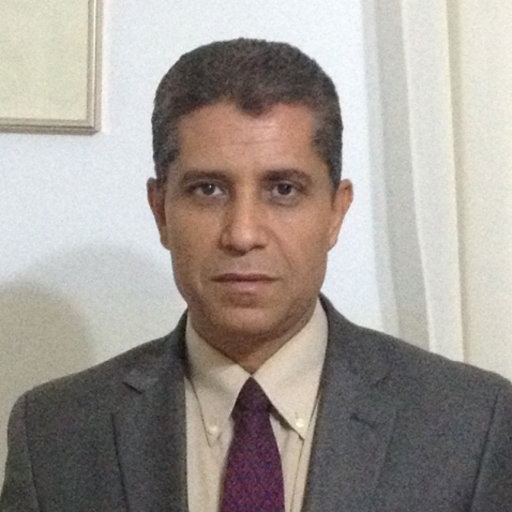
Fathi M Sherif is working in Faculty of Pharmacy, University of Tripoli, as Professor of Pharmacology. He received his PhD in Medicinal Pharmacology from Faculty of Medicine, University of Uppsala, Sweden (1992) and postdoctoral training in Neuroscience in Uppsala University. He won WHO award for the youngest medical researcher in 1995 from world health organization (WHO). He is a lecturer of pharmacology since 1993 and held a position of head of the department, head of postgraduate studies, vice dean (8 years) and acting dean of Faculty of Pharmacy. Head of research unit at National Medical Research Center of ethno-pharmacology (traditionally used of medicinal plants and their potential effects on brain using animal behavioral models). Vice president of Libyan Association for Pharmacists. He published several articles in international journals. He supervised many postgraduate students leading to Master degree in Pharmacology.

Articles(31)

Authors: Fathi M Sherif

DOI: 10.5281/zenodo.7771304

Volume3
Issue1
Pages1-2
Abstract

One must accept the complexity of modern society as a multifaceted influence which will direct the future of all social organizations. Technology has brought the people of the world into almost instant communication. Biomedical science has conquered most infectious, acute diseases and has provided several medicines for a successful maintenance therapy of chronic diseases. The life style of some people as smoking and drug addiction remain a strong factor to their achievement of health goals of the good life. Universally, economic inflation and international business have created an economic interdependence among nations and dealing of the economic problems of one country must take into account this interdependence. When one views the future within this technologic-social-economic framework, he has difficulty sorting out certain directing influences that may shape the future of pharmacy practice in Libya.

Authors: Fathi M Sherif

DOI: 10.5281/zenodo.8412162

Volume4
Issue3
Pages1-2
Abstract

Lifelong learning is becoming part of the philosophy of professional education. Continuing medical education is a responsibility of all personal who are responsible for the delivery of components of the health care delivery system. Continuing education is becoming increasingly obvious for medical universities, hospitals and health care providers. Pharmacists who are practice in a community pharmacy and hospital, and who are participating in residency recognize that the traditional role of the pharmacist is undergoing change. Over the last decades, a host of new services have been identified as a function of the pharmacist [1]. A review of these services reveled a personal commitment to continuing education. It is the absolute need to develop a level of competence that will improve patient care. In Libya, pharmacists working in the community practice setting are pharmacists with diploma of pharmacy or with Bachelor of Pharmaceutical sciences, Master of Science and doctor of pharmacy (Pharm D). The main objective is that the graduates possess the knowledge and skills needed to perform optimally to man the pharmaceutical services [1, 2]. Patient's expectations from the pharmacists are that the medicine should be effective, safe and affordable. Other expectations from Libyan pharmacists would be to dispense the drugs according to the rules with right advice on how and when the medicines should be used, and what to do in the case of adverse drug reactions and the provision of advice on common illnesses. Nevertheless, it is an undeniable fact that the pharmacist has failed to provide all these patient oriented services [3]. It should be noted that the quality of pharmacy education and training can be improved through certain process of accreditation.

Authors: Fathi M Sherif

DOI: 10.5281/zenodo.7115078

Volume2
Issue3
Pages1-2
Abstract

In Libya, pharmacy education and practice have a similar pattern to medical education and practice. Both sectors of public and private pharmacy education and pharmacy practice still significantly unchanged for more than forty years. It is a traditional pharmacy style of education and practice with a limited change of education and practice. Now, there are more than ten public pharmacy colleges and more than five private colleges established in Libya for a population of seven millions. In addition, there are several intermediate pharmacy institutes which provide a middle degree in pharmacy practice with a very limited knowledge in pharmaceutical sciences and training. Practice of pharmacy in Libya is still a classical mode with only dispensing medicines directly in almost a nonprofessional way and an old fashion way. However, the situation is old and complicated that needs a great deal of attention from different health policymakers and authorities such as Ministry of High Education and Ministry of Health, National Pharmaceutical Union and Libyan Association for Pharmacists. Historically, before 1980, all pharmacists and pharmacy technicians graduated from abroad mainly Egypt, Italy, Greece and England. Pharmacists in public sector (Ministry of Health MoH, hospitals and clinics) and private sector (National Pharmaceutical Company, NPC, Pharmacy stores) were mostly non-Libyan and few were Libyan pharmacists who worked in administration places such as MoH and NPC. First University College was established in middle of 1970s in Tripoli based on five academic years schedule of teaching (1 + 4) with a capacity of students' entry (50 students) selected from different regions of Libya. A great support by Ministry of Education was given to the college to educate and qualify the student to be a pharmacist with an international education and practice standards. In 1980, the first graduated Libyan pharmacists (n = 32, 16 F & 16 M) have well been trained (courses in Libya, England and Sweden) to be professional in pharmacy practice, drug quality control and pharmaceutical industry. Programs of syllabus and staff-members were of international supported by professional examiners to keep the high standard output. The teaching core was based on based on international cooperation of highly standard visitors from known universities. This was supported by building facilities of high standard college constructed in the middle of 1980s. It is the most beautiful building in the world with standards and international style for teaching and research facilities. Other were established in Benghazi (1990s), Zawia and Misrrata (2000s) of same teaching style but with a limited facilities. In other Libyan geographical cities (Ghomes, Derna, Tubraq, Zelitin, Gharian & Subrata) colleges were established recently but with low facilities and messy plan. Teaching and training in Pharmacy College aimed to award a Bachelor degree of Pharmaceutical Sciences based on requests such as university, basic sciences and college requirements of specialized courses. The graduated student has pharmaceutical sciences which makes him/her to work as pharmacist in clinical sectors or in other sectors of quality control, industry or research. The pharmaceutical courses are pharmacology and toxicology, pharmaceutics, pharmaceutical industry, medicinal chemistry and pharmacognosy. A 165 credit hours of teaching and training are needed for degree. So far, almost 5000 students were passed from University of Tripoli only, with 100 staff-teaching members involved in teaching and training. Instead, postgraduate pharmaceutical studies leading to Master Degree in Pharmaceutical Sciences was started in 1999 in pharmacology with two years program. Pharmacognosy, microbiology, pharmaceutics and pharmaceutical chemistry have also involved in postgraduate program. The total number of students granted a high Degree was 100 till now in Pharmacology, Pharmacognosy and Pharmaceutics. The degree was based on two stages of two years (specific and advanced courses and research part). Recently, other professional degrees in clinical pharmacy practice have also been started in Libya by different authorities such as LIMU, Postgraduate Academy, Libyan Medical Board and Arab board to train the pharmacist as a professional in clinical pharmacy practice and hospital pharmacy, some leading to Pharm D. However, these programs are still ongoing and are new with providing a specific training courses for specialty (pharmacist specialist) to service the patient and community as a new pharmacist role in Libyan community and health services [1, 2]. A clear national strategy for continuous pharmacy education (CED) of pharmacist by health authorities to improve practice in private or public sectors is absent. However, the role and job of pharmacist in Libyan healthcare system is an old-style. So far, no authority has asked or wanted to be responsible for CED. A limited individual short courses, workshops, meetings and conferences on pharmaceutical sciences and practice are randomly running by Union, Association and sometimes with medical universities. These activities are not well-organized and aimed but it provides positive social and scientific environment for pharmacists to interact and discuss professional pharmaceutical problems in Libya. Most of these activities are generally concentrated about practice and education of pharmacist in community. It consists of lectures which are usually given by senior's pharmacists and university staff to improve drug services for patients and community as well as to develop the role of pharmacist in national health care. Indeed, one established program of CPE is Annual Libyan pharmacy forum which held in April by Libyan Union in April. This forum usually consists of plenary lectures, workshops for practice, industry and quality of university pharmacy education. As it is known everywhere, there is should be a national condition for CPE for registered pharmacist. For example, a national pharmacy board should be implanted in Libya to have a responsibility in CPE [1, 2]. I think now with new clinical pharmacy practice (extended roles and expanded competencies), it is the right time to implant such a national strategy in Libya.

Authors: Hana A. Bazine, Mohammed A. Shlaka, Fathi M. Sherif

DOI: 10.5281/zenodo.7771364

Volume3
Issue1
Pages42-49
Abstract

Lycium schweinfurthii is a shrub belonging to the Solanaceae family which widely grows in North Africa and Mediterranean regions. The plant leaves have traditionally been used for gastrointestinal diseases as peptic ulcer in Libya. This study aimed to investigate the effect of Lycium schweinfurthii extract on the central nervous system in mice including anticonvulsant, antidepressant and muscle relaxant activities. The methanolic extract was prepared by fractionation technique. Albino male mice weighing 22 ± 2.0 gm were used and equally divided into equal number and weight for each experiment (n = 6). The best effective pharmacologically dose of 400 mg/kg, i.p. of the methanolic extract was selected to explore the anticonvulsant activity for picrotoxin-induced convulsion in mice (5.0 mg/kg), antidepressant activity of forced swimming test of depression and muscle relaxant action by motor coordination test of hanging wire. Fluoxetine (10.0 mg/kg), imipramine (15.0 mg/kg) and diazepam (5.0 mg/kg) were used as reference compounds. Lycium schweinfurthii extract exhibited a significant prolonged delay in the onset time of induced convulsion and significant decrease in the frequency of convulsion as well as a significant decrease in the duration time of attacks. Pretreatment with flumazenil (2.0 mg/kg) was found to increase the frequency and duration of convulsions without profound change in the onset time produced by Lycium schweinfurthii. For antidepressant activity, the plant leave extract significantly decreased immobility time duration without a muscle relaxant effect. The results suggest that the methanolic extract of Lycium schweinfurthii leave has anticonvulsant and antidepressant-like activities without any muscle relaxant effect in mice. Thus, Lycium schweinfurthii may have a neuropharmacological potential use in human.

Authors: Salsabil A. Ansari, Rana A. Boker, Mariam S. Alsaid, Roba F. Sherif, Fathi M. Sherif

DOI: 10.5281/zenodo.7479667

Volume2
Issue4
Pages1-5
Abstract

Anemia, iron deficiency and iron deficiency anemia are common blood disorders. The role of vitamin D was agreed to be regulating in calcium and phosphate absorption and bone metabolism and its deficiency is observed as a crucial nutritional problem. Vitamin D is created under the skin by ultraviolet light. It is usually get vitamins from the food; however, in the case of vitamin D, there simply are not enough rich food sources for people to get adequate amounts in their diet. Its effects on the prevention of diseases such as cardiovascular disease and anemia has received much attention recently. To get sufficient vitamin D, need to be exposed to sunshine or use supplements. Vitamin D3 was found in the largest population as a deficiency. With regard to hemoglobin was the subject whom has less normal range of hemoglobin (19.05%) than international normal range, and in ferritin the low population number was the subject whom has less normal range of ferritin than WHO normal range. The population who has low ferritin also has low vitamin D3 and variable hemoglobin. According international guidelines, optimizing nutrition with daily or intermittent (1 to 3 times per week) iron supplementation, should be considered a first-line intervention in high-risk or high-prevalence groups. Although it is probably less effective than daily iron supplementation, intermittent iron appears to be a useful and cost effective way of controlling anemia and iron deficiency anemia. This may indicate that a positive relation between the low concentration parameter of vitamin D3 and ferritin level but no significant correlation with hemoglobin.

Authors: Mustafa A. Alssageer, Fathi M. Sherif, Esraa S. Mohammed, Soaad A. Abd Alsalm

DOI: 10.5281/zenodo.6780506

Volume2
Issue2
Pages66-78
Abstract

Prescribing drugs for elderly patients is not an easy task since elderly patients are frequently with comorbid conditions. In Libya, there are no guidelines for the management of medications used in elderly patients and no specialized geriatric health institutions. The aim of this study is to assess the pattern of medication use among hospitalized elderly patients in Sebha Medical Centre and the drug-related problems associated with these patterns. This report is descriptive and retrospective cross-sectional study that is conducted at Sebha Medical Center during 2021. Potential drug-related problems were assessed based on the classification of Hepler and Strand. In this study, out of 195 participants, most of the patients have been given antibiotics (92.0%). The majority of patients have been prescribed anti-gastric agents, vitamins and anti-thrombotic agents which accounted for 75.0%, 62.0% and 55.0%, respectively. To less extent, anti-hypertensive agents, analgesics and anti-hyperlipidemics were reported by 45.0%, 43.0% and 38.0%, correspondently. Almost all the patients have at least one event of drug-related problem and more than three-quarters of the patients had more than one event of drug-related problems. The highest rate was untreated indications which were reported for 77.0% then followed by drug use without indication nearly a half of the events 48.0%. To fewer extent rates were reported: “in improper drug selection”, “drug interaction” and “adverse effects” which were reported for 25.0%, 23.0% and 18.0% of the total events, respectively. Almost all elderly patients have been prescribed antibiotics, analgesics and vitamins. Drug-related problems are predominant prevalent in the clinical practice at the center. This study highlights the importance of activation of clinical pharmacist interventions at hospitals which can contribute to reducing the chance of risk of drug-related problems events among hospitalized elderly patients and ensuring rational drug prescribing in the geriatric clinical settings.

Authors: Abdulbaset A. Elfituri, Fathi M. Sherif

DOI: 10.5281/zenodo.6397651

Volume2
Issue1
Pages1-3
Abstract

In health care delivery system, if you are not part of the solution, then you must be part of the problem. Over the last few decades, clinical pharmacy encourages pharmacist and pharmacy support staff to move their focus from product-oriented role towards new direct engagement with patient, to make the most of the benefits that patients obtain from the medicine they take, or the problems they encounter with, their medicines use. In USA, pharmacists’ participation in physician ward rounds was shown to reduce adverse drug events by 78.0% and 66.0% in general medical and intensive care settings [1. 2]. A study covering 1 029 US hospitals indicated that centrally based and patient-specific clinical pharmacy services are associated with reduced mortality rates [3]. The services involved were medicines information, clinical research performed by pharmacist, active pharmacist participation in resuscitation teams and pharmacist undertaking admission medication histories. New pharmacists’ roles in healthcare system around the globe have moved and developed significantly over the past few years, particularly with expansion of scope of practice which allows pharmacist to focus on the clinical aspects of direct patient care [4, 5]. Pharmacist is drug therapy experts of health care team. Therefore, pharmacist, today, is the arbiters of effective and safe use of medicines. Medication therapy management is one of the major areas in which physician more and more rely on pharmacist to benefit their patients.

Authors: Roba F. Sherif, Nagat M. Saeed, Fathi M. Sherif

DOI: 10.5281/zenodo.5806168

Volume4
Issue1
Pages84-89
Abstract

Tuberculosis is communicable disease which is common and often deadly infectious disease caused by mycobacterium tuberculosis. Tuberculosis continues to be a major public health problem in the world. The aim of this study is to assess prevalence and associated risk factors of pulmonary tuberculosis. Treatment and development of multidrug-resistant tuberculosis were also considered. Drugs for Pulmonary tuberculosis confirmed cases used in calculating tuberculosis prevalence in Libya which is obtained from archive department of Abu Seta Hospital. Data obtained from 427 files during 2019 determine the incidence and epidemiology of tuberculosis in Libya. For a total of 427 confirmed cases of pulmonary tuberculosis, about 75.0% of the cases were male and most of the patients (55.0%) were within the age group of 20 - 40 years old. Of the study patients, 114 patients (26.7%) were viral infected and most of the viral infected cases were in the age group of 20 - 40 years and the majority of this age group patients (n = 41, 53.2%) were infected with HIV/HCV, while the least percentage in this group age were infected with HIV/HBsAg (01.3%). Among 427 cases, 73 cases (17.1%) were comorbid with other chronic diseases. Of the 73 cases, 54 cases (74.0%) were diabetes mellitus whereas only 1.4% of them had bronchial asthma, Parkinsonism and renal failure. The drug therapy of active tuberculosis disease needs combination chemotherapy to escape the selection of naturally occurring drug-resistant mutants. Amongst current anti tuberculosis drugs, the rifamycins hold the highest potential for shortening treatment and improving effects. Prevalence of smear positive tuberculosis and bacteriologically confirmed that a high rate of tuberculosis among unemployed population. This study reported that the highest incidence rate is found in people who are smokers.

Authors: Majda A. El yamani, Fathi M. Sherif

DOI: 10.5281/zenodo.5171324

Volume1
Issue2
Pages46-50
Abstract

The rate of aging is rapidly increasing and the term of geriatric refers to offer a medical care to elderly people. Drug consumption study on geriatric population is a vital issue since this group is totally neglected in Libya. The aim of this study was to assess drug utilization pattern among elderly patients in terms of world health organization core prescribing indicators and to evaluate the treatment cost. A total of 106 prescriptions were randomly collected from different community pharmacies located in Tripoli during the summer 2019, and were evaluated (total number of prescribed drugs is 359) for their clinical efficacy and safety. The findings revealed that 60 drugs acting on GIT (16.7%), 50 antimicrobial drugs (13.9%), 31 antihypertensive drugs (8.6%) and 30 drugs for respiratory diseases (8.4%) were prescribed to patients who are 65 years old or more. With regard to disease pattern in the elderly Libyan patients, 27 drugs were prescribed for diabetes mellitus (7.5%), 24 drugs for cardiovascular drugs (6.7%) and 14 drugs for anti-hyperlipidemia (3.9%). According to the WHO core drug use indicator pattern, the average number of drugs prescribed per encounter was 3.3. Prescription by generic name was low (41.5%). Antibiotics were 36.8% while injections were 26.6%. Thus, this study suggest that geriatric medicine and rational drug use should strongly be implanted in medical schools and teaching hospitals. Besides, a drug pattern use of the Libyan community is urgently required to avoid drug prescribing errors.

Authors: Fathi M. Sherif, Abdussalam A.M. Amara

DOI: 10.5281/zenodo.5171372

Volume1
Issue1
Pages3-4
Abstract

It is with more sorrow and tremendous sadness, we remember the death of our colleague the Libyan pharmacist, professer Mokhtar Rammadan Haman, at his home in Tripoli, Libya after long-suffering from brain cancer. He died on 02, February 2017 and his immaculate corpse was buried on the following day at the Souk- Al-Ahad cemetery. Bin Ghashir Palace. Professor Haman (Photo 1), was born in Tripoli, Libya, on January 1, 1957. He obtained his Bachalor of Pharmaceutical Sciences in 1981 at the University of Tripoli and his Ph.D. in Pharmacognosy in 1989 at Cardiff University , UK.

Authors: Fathi Sherif, Jarmila Hallman, Lars Oreland

DOI: 10.1111/j.1530-0277.1992.tb00692.x

Volume16
Issue6
Pages1014-1020
Abstract

The activities of gamma‐aminobutyrate aminotransferase (GABA‐T) and monoamine oxidase (MAO) were estimated in blood platelets from 25 male chronic alcoholics and from 27 healthy male volunteers without histories of alcohol abuse. Based on clinical criteria, the alcoholics were classified into type 1 or type 2 alcoholism. The activity of GABA‐T was found to be lower both in type 1 and type 2 alcoholics than in healthy volunteers. With regard to MAO, the platelet activity was found to be significantly lower only in type 2 alcoholics in concordance with previous reports. No significant correlation was found between the activities of GABA‐T and MAO in the blood platelets of healthy volunteers. The inhibitory effect of 400 mM ethanol on the platelet MAO activity increased with decreasing concentrations of the substrate phenylethylamine. The degree of inhibition of ethanol on the platelet MAO activity, however, did not differ significantly between alcoholics and controls.

Authors: Fathi Sherif, Göran Wahlstöbm, Lars Oreland

DOI: 10.1111/j.1530-0277.1993.tb05247.x

Volume17
Issue6
Pages1313-1318
Abstract

The activities of γ‐aminobutyrate aminotransferase (GABA‐T) and monoamine oxidase (MAO‐A and ‐B) were estimated in various brain regions of rats exposed to ethanol for 90 weeks. During the first period (weeks 1–58), the rats had access to both ethanol (10% w/v) and water during a 24‐hr interval at the end of each week. At this point, the animals were given either a saline injection (intraperito‐neally, group 1) or an ethanol injection (2.0 g/kg ip, group 2). During the second period (weeks 59–90), the rats in groups 1 and 2 had continuous access to both ethanol and water. The third group was composed of untreated control rats. Compared with controls, there was an increase of 20–45% in the mean brain GABA‐T activity in both groups of ethanol‐treated rats. However, analysis of the data for the individual ethanol‐treated rats revealed a considerable difference in brain GABA‐T activity. Thus, ‐30% of the ethanol‐treated rats showed approximately twice the activity of rats in the exposed groups and in the control group. There was no connection between ethanol intake, water intake, or body weight and GABA‐T activity in any of the brain regions examined. There was no effect of ethanol in vitro on the activity of GABA‐T in the brain cortex in concentrations of 20–100 mki, whereas acetaldehyde inhibited the activity by 15% at these concentrations. The present results suggest that there is a bimodal distribution with respect to the effect of ethanol on rat brain GABA‐T activity. With regard to MAO, the activities (both forms) in the brain remained unaffected after 90 weeks of ethanol treatment.

No matching articles

Try another word from the title, author or DOI.

Brief Bio

Fathi M Sherif is working in Faculty of Pharmacy, University of Tripoli, as Professor of Pharmacology. He received his PhD in Medicinal Pharmacology from Faculty of Medicine, University of Uppsala, Sweden (1992) and postdoctoral training in Neuroscience in Uppsala University. He won WHO award for the youngest medical researcher in 1995 from world health organization (WHO). He is a lecturer of pharmacology since 1993 and held a position of head of the department, head of postgraduate studies, vice dean (8 years) and acting dean of Faculty of Pharmacy. Head of research unit at National Medical Research Center of ethno-pharmacology (traditionally used of medicinal plants and their potential effects on brain using animal behavioral models). Vice president of Libyan Association for Pharmacists. He published several articles in international journals. He supervised many postgraduate students leading to Master degree in Pharmacology.

Affiliations

Nothing added yet.

Education

Nothing added yet.

Honors & Awards

Nothing added yet.

Society Memberships

Nothing added yet.

Expertise

Nothing added yet.

Specialty

Nothing added yet.

Other Online Pages

Suggested researchers

SS
Sankappa Sinhasan
AIIMS, Guwahati
27 publications
DM
Dr.S. Manickam
PSP Medical College Hospital and Research Institute
24 publications
KP
Kuldeep Phukon
158 publications
SS
S S Jha
I
16 publications
EC
E C Ogbodo
19 publications
MB
Mykhailo Buzynnyi
State Institution "O.M.Marzieiev Institute of public health NAMS of Ukraine"
40 publications
Somchai Amornyotin
Department of Anesthesiology, Faculty of Medicine Siriraj Hospital, Mahidol University
108 publications
Muheebur Rehman
Abasyn University Peshawar
23 publications
AK
Ashish Kamboj
Government Dental Centre, , India
21 publications
SA
Shaik Ali Hassan
Bhabha College of Dental Sciences, Bhopal, Madhya Pradesh, India
55 publications
GG
Gaurav Gupta
Jaipur Dental College, Jaipur, Rajasthan, India
17 publications
MR
Manish R Pandya
Scientific Research Institute, Surendranagar, Gujarat, India
22 publications

Following

Nobody here yet.

Followers

Nobody here yet.

31 Publications