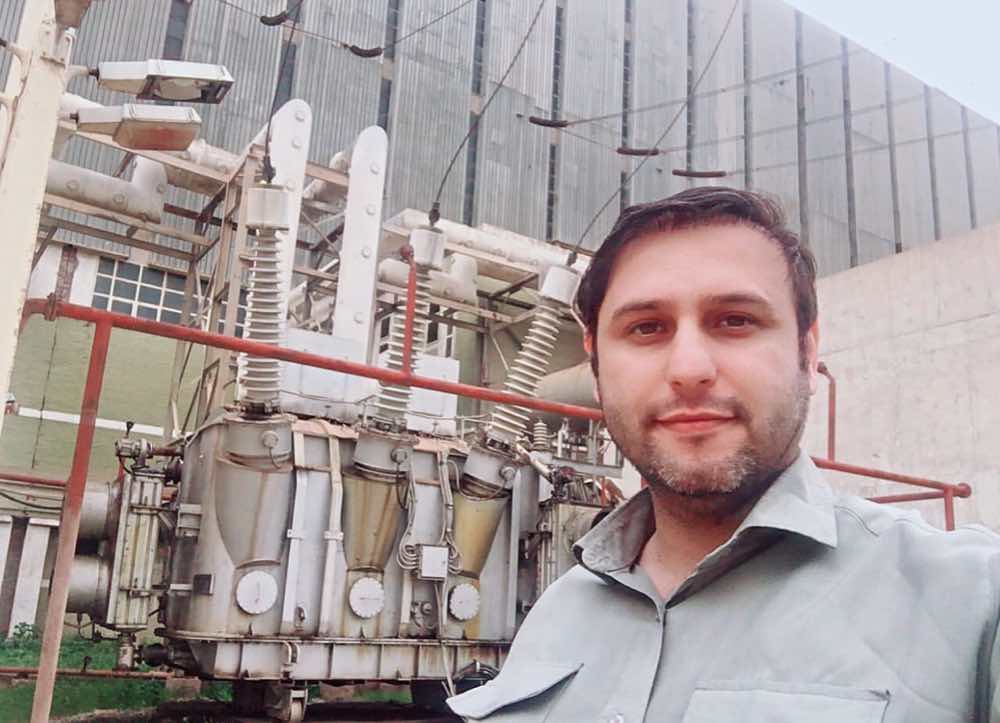
ANANDRAJ K C

ANANDRAJ K C

Part time Reaserch Scholar

Madurai Kamaraj University

Profile ID RP-004-2407 Joined 2026-08-19 16 articles
0Connections
7
Total Views
16
Total Publications
435
Publication Views

Articles(16)

Authors: Anandraj K. C., Balraju Vattikulla, S. Aravind

DOI: 10.21863/ijisl/2025.10.1.005

Volume10
Issue1
Pages51-59
Abstract

The JOSA-A has been a leading optics journal since 1917, publishing across the disciplines of photonics, imaging and optical science. Despite its significance, the publication trend, scholarly impact and author collaboration patterns of this domain have so far not been thoroughly examined using research mapping, scholarly impact and visualisation methods. This study conducts a bibliometric study of JOSA-A from 2003 to 2023 based on data from Web of Science through publication output, citation dynamics and collaboration among authors. Their analysis of these papers (total: 6683) shows a clear trend toward collaborative research, 20434 multi-authored papers indicate that more than half of the papers rely on teamwork in the discipline. The analysis includes citation network visualisations generated with VOSviewer, thematic clusters and research topics (by network visualisation). It indicates that the journal has sustained a robust H-index of 114 and received notable contributions from authors throughout 86 countries. This analysis provides perspective on the changing role of JOSA A in optics, highlighting new research directions and recommendations for further exploration.

Authors: ANANDRAJ K C, S Aravind

DOI: 10.61841/n6kdye91

Volume11
Issue1
Pages88-96
Abstract

ArticleThis study explores the web presence of library information at theological seminaries in the state of Kerala, specializing on the impact of institutional context on their online library information resources. Using a web-based survey methodology, the accessibility and completeness of library information on the Web sites of 20 major theological seminaries representing a various Christian denominations were appraised. Ten seminaries were chosen by the researcher based on factors such as the clarity and availability of the library services and digital resources which satisfied the study purpose. Core components including theological library collections, digital access and catalogue, and general website usability were examined as a part of the assessment. The websites were analysed directly to collect the data, paying special attention to the influence of each seminary's denomination and edge, and how their libraries' available range reflected this. The study investigates how the online libraries information can facilitate theological education through increasing availability of resources, encouraging lifelong learning as well as involving both faculties and students. It also points out gaps and challenges with the goal of identifying deficiencies, outdated content and usability problems with an eye towards improving the quality of online library services for theological education. The results finally aim to offer perspectives on how useful digital library resources are in aiding theological education in Kerala.

Authors: Anandraj K.C, Balraju Vattikulla, S Aravind

DOI: 10.9734/ajarr/2025/v19i3956

Volume19
Issue3
Pages445-454
Abstract

Aims: The primary aim of this study was to assess the usability, accessibility, and content relevance of the Kerala Council for Historical Research (KCHR) website for three main user groups: the general public, researchers, and heritage professionals. The study sought to identify strengths and weaknesses in terms of user experience, navigation, and accessibility, as well as to provide recommendations for improvements. Study Design: This study employed a mixed-methods approach, combining content analysis with webometric analysis. A systematic framework was followed to evaluate the website’s technical performance alongside its content relevance and usability for different user groups. The combination of these two methods allowed for a comprehensive evaluation, integrating both qualitative content insights and quantitative technical data. Place and Duration of Study: The study focused on the KCHR website, with data collected on February 15, 2025. The analysis was performed remotely, using web tools and methodologies for website assessment. The study period for data analysis and reporting extended over several weeks following data collection Methodology: The analysis was conducted remotely using the SiteAnalyzer Search Engine Optimization (SEO) Tool v2.2.119, which is a webometric tool designed to assess website performance and optimization. While webometric analysis (Webometric analysis examines the structure, content, and performance of websites to assess their accessibility and user engagement. It helps identify technical issues that impact user experience and website effectiveness.) was not the core focus of the study, it provided essential data on technical aspects such as accessibility, navigation efficiency, and search functionality. These insights helped complement the content analysis, which focused on user engagement and accessibility. By utilizing webometric data, the study was able to highlight key areas for improvement, including interactivity and user experience, offering a more holistic evaluation of the Kerala Council for Historical Research (KCHR) website. A 1–5 rating scale was used to assess usability criteria determined by the study’s objectives. Results: The analytical findings highlight both strengths and weaknesses of the KCHR web portal. The site is open and well laid out, providing a clear connection to Kerala’s history and cultural experience. It effectively offers insights into research activities, public programs, and cultural initiatives. There are areas that need improvement, particularly in navigation and search functionality. While basic navigation is straightforward, some users may struggle to locate specific resources due to poor search functionality and less intuitive pathways to key areas such as research opportunities. Enhancing these aspects, along with user engagement features, can significantly improve accessibility and information retrieval for both researchers and the public. Specific recommendations include increasing interactivity and providing clearer guidance on research resources. The integration of Kerala’s historical heritage into the website creates an effective platform for showcasing the state's rich culture while also promoting research and public engagement. Conclusion: The study concludes that the KCHR website effectively presents Kerala’s cultural diversity and historical heritage, serving as a valuable resource for both the public and researchers. There are key areas that need improvement to enhance usability. Enhancing search functionality, navigation, and overall user experience is essential to better serve its diverse audience. Key recommendations include improving search functionality, streamlining navigation, and increasing interactivity. Improved pathways for discovering research opportunities and increased interactivity would strengthen the website’s role in supporting research and public engagement. While the website is well-built, optimizing these areas will ensure it caters more effectively to the needs of its users.

Authors: KC Anandraj, Dr. S Aravind

DOI: 10.54660/.ijmrge.2023.4.5.1153-1159

Volume6
Issue1
Pages1153-1159
Abstract

This paper examines the trends regarding geographical indications (GIs) in South India from 2018 to 2023, with a focus on the application process, promotional efforts, and officially registering protected status for products across five southern states of Andhra Pradesh, Karnataka, Kerala, Tamil Nadu, and Telangana. The study adopted a web-based descriptive survey methodology to analyze data gathered from the annual reports of India's Intellectual Property Office. The results show a consistent rise in the quantity of GI applications and successful registration, especially in the handicrafts and agricultural sectors, Tamil Nadu, Kerala and Karnataka are the forefront, each making an equal contribution to the region’s economic growth. Despite the large volume of applications, there are still issues, such as processing delays and lack of advertised opportunity of public review. This study highlights necessity of an effective GI registration procedure in south India in order to enhance economic benefits and preserve cultural heritage.

Authors: Anandraj K.C, Balraju Vattikulla, Dr. S Aravind

DOI: 10.38193/ijrcms.2024.6603

Volume6
Issue6
Pages26-37
Abstract

This study explores the growth potential and role of digital repositories in the Indian insurance industry, focusing on how e-Insurance Accounts (eIAs) simplify policy management and enhance customer engagement. By providing centralized access to policy information, these repositories facilitate faster claims processing, reduce paperwork, and improve overall convenience for policyholders. The study examines four leading insurance repositories: NSDL Database Management Limited (NDML), CAMS Repository Services Limited (CAMSRep), Karvy Insurance Repository Limited (KIRL), and Central Insurance Repository Limited (CIRL), which collectively manage millions of e-Insurance accounts and policies. These repositories, operating under the Insurance Regulatory and Development Authority of India (IRDAI), play a crucial role in facilitating the digital management of insurance policies. By offering secure, centralized platforms, they streamline policy administration, enhance customer convenience, and support the broader digitalization efforts within the Indian insurance sector. A qualitative research methodology was employed, utilizing data from official annual reports and service documents from insurance repositories. The study also reviewed trends in policy digitalization and repository growth, focusing on user experiences and system efficiencies. Despite the benefits, challenges such as limited awareness, low digital literacy, and concerns over data security hinder wider adoption of e-Insurance Accounts. The findings highlight the transformative impact of digital repositories in the Indian insurance sector and the need for strategies to promote smoother transitions to digital platforms, ensuring enhanced customer satisfaction and operational efficiency.

Authors: Anandraj K.C, S. Aravind

DOI: 10.2139/ssrn.4927222

Volume15
Issue1
Pages117-125
Abstract

This research study investigates the potential applications of Google AI tools in library services. Through the utilization of a wide variety of data sources, the methodology that was utilized in this study aimed to achieve a full understanding of the incorporation and utilization of Google AI technologies in library services. The utilization of direct data gathering from the Google AI website serves as a significant resource that enables the research of the functions, features, and applications of Google AI tools that are pertinent to library services. Several artificial intelligence (AI) products developed by Google are discussed in this article. These tools include Google Scholar, Google Cloud Vision, Google Natural Language API, and Google Dialog flow, among others. The functions, strengths, and limits of these systems, as well as possible applications in library settings, are analyzed. In addition, the article discussion of the usefulness and efficiency of Google AI tools, as well as the best practices and methods for efficiently integrating Google AI tools into library services. The purpose of this article is to provide library professionals with information regarding the opportunities and problems associated with integrating Google AI capabilities into library services. This will be accomplished by combining most recent research and highlighting new techniques.

Authors: K. C. Anandraj, S. Aravind

DOI: 10.66370/jiti-2026.2.2.62

Volume2
Issue2
Pages22-28
Abstract

Titanium minerals are strategic resources with important applications in metallurgy, advanced materials, renewable energy, environmental remediation, and nanotechnology. Despite the increasing volume of research, a comprehensive scientometric assessment of the global knowledge structure and thematic evolution of titanium minerals remains limited. This study analyses titanium minerals research indexed in the Scopus database between 2000 and 2025 using the Bibliometrix package and Biblioshiny interface in R. A total of 3,708 publications across 972 scientific sources, authored by 10,013 researchers, were analysed. The findings reveal a strong annual publication growth rate of 15.62%, with an average of 4.42 authors per document and 28.12 citations per document. International collaboration accounted for 25.84% of publications, involving researchers from 98 countries, with India emerging as the leading contributor in publication output (2,855) and citation impact. Logistic growth modelling indicates that the field has approached maturity, with cumulative publications reaching approximately 99% of the estimated saturation level of 3,745 publications. Kumar A was identified as the most productive author, with 88 publications and 3,837 total citations, while the Journal of Materials Science: Materials in Electronics was the leading source with 133 publications. Keyword and thematic analyses identified titanium dioxide and oxide minerals as the dominant research themes, reflecting a transition from conventional mineral processing towards nanomaterials, photocatalysis, and advanced functional applications. The study provides a comprehensive scientometric overview of global titanium minerals research, highlighting research growth, collaboration patterns, leading contributors, and thematic evolution to support future research directions and technological innovation.

Authors: Anandraj K.C, Jothimani B, S Aravind

DOI: 10.64938/bijsi.v10i3.26.apr137

Volume10
Issue3
Pages495-502
Abstract

Digital libraries are being recognized as important tools for the conservation of indigenous and traditional knowledge that help to connect cultural heritage to technology. This paper analyses the role of two India basedmainstream initiatives-Traditional Knowledge Digital Library and Tribal Digital Document Repository in protecting knowledge in the digital era. The cross-checks of data were obtained from the official websites of TKDL and Tribal Repository along with policy papers, technical reports and scientific literature. Using document analysis and platform observation, the research examines preservation tactics, metadata norms, software functionalities and mechanisms, access functions, and usage. One such initiative is TKDL, which has created a digital database of more than 34 million pages from about 454,000 – 515,000 thousand Indian systems of medicine formulations adopting multilingual digitization and the Traditional Knowledge Resource Classification system into IT by CSIR in 2001 to document Ayurveda, Unani, Siddha, Yoga and Sowa Rigpa systematically. TDR launched by Ministry of Tribal Affairs consisting 10,000 plus digital resources maintain documentation and archival record of the tangible and intangible heritage and culture of Indian tribes to enable ethnographic, sociological, linguistic,cultural studies for achieving individuality in cultural contents. The study shows how these digital libraries contribute not only to preserving indigenous knowledge, but also to increasing accessiblity, use of research, and intergenerational transfer. TKDL and TDR are leading the best practices in information curation, metadata management and user centric design. This paper has highlighted the importance of digital libraries for harmonizing traditional knowledge with technological advancement, safeguarding cultural continuation and preventing its exploitation in theglobal knowledge resource. 

Authors: Balraju Vattikulla, K.C Anandraj, Dr. S Aravind

DOI: 10.58532/nbennurepliv6b1p1c1

Volume6
Issue5
Pages1-9
Abstract

Purpose: This paper examines the role of technology-based services in enhancing information access and supporting research activities in academic libraries, with specific reference to the K. N. Raj Library, Centre for Development Studies, Trivandrum.Design/methodology/approach: A web-based content analysis method was adopted, whereby the official library website and related digital portals were systematically reviewed. Data were extracted and classified into three major areas: digital resources, specialized services, and technology-enabled facilities.Findings: The study reveals that the K. N. Raj Library integrates advanced digital platforms, providing access to more than 15,000 e-journals and major scholarly databases such as JSTOR, Oxford Online, and Wiley. It offers specialized services including bibliographic advice, research orientation, and interlibrary loans. Technology initiatives like KOHA automation, remote access portals, and content alert blogs extend the library’s reach beyond its physical boundaries. The findings confirm that technology-based services significantly enhance access, usability, and research support in the social sciences.Originality/value: The paper highlights how an academic library in India effectively combines traditional resources with digital innovations, positioning itself as a model of sustainable and inclusive knowledge management.Utility/Significance: The study demonstrates the potential of technology-based services in strengthening academic libraries and promoting equitable research access. It further suggests the need for future studies on user satisfaction and community participation to optimize library services.

Authors: D. R Kavitha, K.C Anandraj, Dr. S Aravind

DOI: 10.58532/nbennurepliv6b1p1c2

Volume6
Issue5
Pages10-23
Abstract

A web based descriptive analysis of important marine information services for Indian National Centre for Ocean Information Services (INCOIS) is being presented in this paper. The services are divided into five main groups like Forecasting, Advisory, Early Warning, Digital Access and Observation Systems. The analysis details the purpose of each service, type of oceanographic information, ICT tools used to present and share this information; how it is disseminated to users; how and whether interaction with end-users occurs. Among the services presented, Forecasting attracts the maximum share of 44.4% that is self-explanatory due to strong mandates of INCOIS on Maritime Safety and Ocean State Prediction. Satellite communication, mobile apps, Web GIS and remote sensing tools from ICT arsenal have a huge role to play in collecting and providing real-time ocean data. Recent services such as PFZ Advisory and Tsunami Early Warning Centre are indicative of INCOIS’s serving the cause of public safety, societal outreach and scientific support. Limitations of the study are no primary data available an oversimplified classification by number of services rather than use or even impact. Recommendations include; Adopting user feedback, To carry out Impact evaluations and To enhance the digital literacy for an increased service reach and use. The results highlight INCOIS as an example of ICT-supported operational, real-time marine information services. From an LIS standpoint, findings of this study underscore the value of structured data curation, open access dissemination, and user-focused communication in facilitating public knowledge, preparedness and informed choices.

Authors: Dr. Jacob Johnson, Dr. S Aravind

DOI: 10.58532/nbennurepliv6b1p1c4

Volume6
Issue5
Pages36-46
Abstract

This research examines the use of data carpentry tools in library administration, focusing on how they can improve data structuring, analysis and decision making. A descriptive research study was conducted based on the use of data management tools in libraries. Data gathering The study used secondary data in which this review focused on evaluating existing tools such as OpenRefine, Koha, MarcEdit, Pandas, Tableau, SQL Database, DSpace Repository Software,, R Statistical Package(Google Refine);Zotero. The primary emphasis for analysis was to assess the effectiveness, accessibility and implications of these tools in library practices. The results show that data carpentry tools can effectively enhance the accuracy of cataloging, computational resource allocation, management of digital repositories and bibliometric analysis. These open hardware data carpentry tools streamline the process of automation, reduce duplication of work and lead to better organized kno wledge. The analysis emphasizes the importance of visualization and prediction tool for optimized decision making process to identify usage patterns, trend forecasting, best use resource. The results indicate that the use of data carpentry tools increases interoperability between library systems, making it easier to share and recover data. The adoption of data-driven approach can re-imagine classic library management by making it more of an agile model. Future research can investigate case-based application, comparative studies between library systems and user feedback for better data carpentry applications in library science.

Authors: Jothimani B, Dr. R. Kavitha, Dr. S Aravind

DOI: 10.58532/nbennurepliv6b1p1c5

Volume6
Issue5
Pages47-56
Abstract

The digital technology infused in education has redefined the way teaching and learning is executed, particularly in Indian K–12 schooling. OERs have a key catalytic function in making available free, open learning material that is relevant to everyone, and can close regional and linguistic as well as different socio-economic divides. This paper presents three OER platforms developed under the programmes of Central Institute of Educational Technology such as DIKSHA, PM eVidya and NROER with nTERA in relation to their aims, content structure, resourcing type the accessibility support provided by it as well as its concern towards inclusive learning. Research design is descriptive and analytical, drawn from secondary and web-based sources including official websites, policy documents and literature. The study reveals that the CIET programme offers curriculum-linked multimedia resources with training programs for teacher capacity building.The study suggest that the CIET program offers multimedia resources that are consistent with the curriculum and helps improve teacher capacity through training.NROER is a collaborative repository consisting of multilingual and multimedia content; nTERA acts as an ongoing teacher support organization in the form of interactive training modules for new teachers and instructional practices for in-service teachers respectively. All the above three platforms are aiming towards quality with equity (as clearly articulated in the NEP 2020, and Sustainable Development Goal (SDG) 4 Quality Education), for all children through equitable access for all students, inclusive learning for all learners and capacity building of teachers. The three platforms are even running as separate silos, bringing in room for more cooperation between all the platforms.The study conclude with a discussion on possibility through these digital spaces (CIET, NROER, nTERA) of consolidation of India’s position in the global digital education market, opening up more access to open learning and innovation in instructional strategies. Suggestions for how to improve the adoption of these interventions among teachers and learners in India are performing user-centered evaluations, widening access to disabled learners, enabling the integration between platforms, and making more content in local languages available.

Authors: Priya K, Anandraj K C, Dr. S Aravind

DOI: 10.58532/nbennurepliv6b1p1c8

Volume6
Issue5
Pages80-92
Abstract

Webometric and content analysis is essential to assess how effectively the website delivers institutional, academic, and administrative information, ensures accessibility, engages users, and supports digital service delivery. This study presents a webometric assessment of the Kerala Maritime Institute (KMI) website, focusing on its visibility, structure, and digital performance. Data were collected from the official website (https://kmi.kmb.kerala.gov.in/) accessed on 25/12/2025. The analysis examined website content, navigation, links, and overall digital architecture, employing the latest versions of Google Analytics 4 (GA4) and MozBar: The free SEO toolbar for Chrome (version 4.1.1) to evaluate user metrics, backlink profiles, and web authority. The website functions effectively as an official information repository, providing structured institutional, academic, and administrative content. Webometric indicators, including high Domain Authority, extensive backlink networks, and broad keyword coverage, reflect strong online visibility and credibility. However, usability and accessibility remain moderate, interactive features are limited, and technical and SEO shortcomings, such as missing security headers, incomplete heading structures, low-content pages, and weak internal linking, constrain user engagement, inclusivity, and search performance. Enhancing interactivity, accessibility, multimedia integration, and digital service capabilities helps to improve user experience, engagement, institutional reach, and inclusiveness. These improvements can transform the KMI website from a predominantly content-centric platform into a fully functional, user-oriented, and comprehensive digital information and service portal, ensuring broader access, optimized navigation, and better search visibility. The findings demonstrate the importance of aligning web structure, content quality, and digital performance to create an effective, accessible, and credible educational platform that meets the evolving needs of users and supports institutional objectives.

Authors: K.C Anandraj, Balraju Vattikulla, Jothimani. B, Dr. S Aravind

DOI: 10.58532/nbennurepliv6b1p1c3

Volume6
Issue5
Pages24-35
Abstract

This study explores digital knowledge resources that support marine and oceanographic research in India. As ocean science relies more on data and different fields, access to reliable digital platforms is crucial for improving research, collaboration, and sustainable resource management. The study aims to identify, categorize, and review Indian digital platforms, including databases, repositories, portals, and consortia. It also assesses their relevance compared to international standards. A descriptive, non-participatory, analytical approach was used. This relied solely on secondary data sources. The digital material was retrieved from the official websites, institutional repositories and government portals through a systematic search. Sampling 10 Indian platforms were purposively selected according to relevance, availability, credibility and usability. Methods Each service's scope, functionality, institutional backing, and contribution to marine research were analyzed through its content. The study reveals that Indian digital systems including MarineLit, INCOIS Portals, CMFRI ePrints, BancoBase and CeRA (Consortium for e-Resources in Agriculture) are efficient system for access to scientific literature, real time data as well as institutional outputs. Their global interoperability and user features are not always available in other systems, such as ASFA, AquaDocs and FishBase. The study also advocates for more comprehensive open-access policies, stronger metadata standards and better collaboration tools. The paper finds that India’s digital marine research infrastructure is increasing. With some well-targeted enhancements, such systems can evolve as tools for knowledge production supporting scientific progress and evidence-based ocean management at the global scale.

Authors: Anandraj K.C, S Aravind

DOI: 10.56557/arjocs/2025/v7i1160

Volume7
Issue1
Pages397-407
Abstract

Aims: Research on Metal-Organic Framework (MOF) has increased in India, especially in the past twenty years, but the research landscape and the distribution of authorship are not immediately clear. This study identifies prolific contributors, collaborative patterns and the overall author distribution in Indian MOF research in India. Understanding this is needed in order to evaluate research contributions, understanding and identify areas of expertise, and strategically situate research productivity. This study seeks to begin to assess this body of work through the application of Lotka's Law to evaluate author contributions for MOF research published in India from 2000 to 2024 and to evaluate some aspects of collaboration that have occurred. The study is designed to assess quantitatively, and from a scientometric perspective, author contributions and collaboration transnationally. Study Design: This scientometric study employs a quantitative, descriptive, and analytical design grounded in the retrospective review of secondary sources in academic database. Place and Duration of Study: The study based on Indian research literature on Metal organic Framework published over twenty five year period from 2004-2024. Scope of the Study: This study focuses on the Metal–Organic Framework (MOF) research in India, examining publication trends, author productivity, and collaboration patterns. It aims to assess India’s research growth and contribution within the global MOF research landscape, particularly in the bioscience domain, noting that MOFs were recognized by the 2025 Nobel Prize in Chemistry for their development. Methodology: The primary data for this study were collected from the Web of Science database using the keywords “Metal-Organic Framework” and “India” in the address field. A total of 8,451 records were retrieved and exported in plain text format. The data were downloaded in October 2025 and used as input for HistCite (version 12.03.17) to analyze citation patterns and research trends. The bibliographic data were processed using Bibexcel (version 1.0.3) to evaluate author productivity, collaboration networks, and publication patterns. This methodological approach facilitated a comprehensive quantitative and scientometric assessment of Indian research on Metal-Organic Frameworks, focusing on author contributions, collaboration patterns, and productivity in relation to Lokta’s Law. All processed data were systematically organized and visualized in Google Sheets in accordance with the objectives of the study. Results: The scientometric analysis of Indian research in Metal-Organic Framework (MOF) from 2000 to 2024 revealed a total of 8,451 publications, which collectively received 279,218 citations. These works involved 42,117 author contributions, indicating strong research collaboration,increasing productivity, and steady scholarly growth in the field. This productivity trend underscores the progressive growth of Indian contributions to marine and oceanographic research, both in terms of publication volume and citation influence. The findings indicate that there has been a steady growth in the number of publications from only a few papers in the early 2000s to more than a double of the total papers after 2010. Almost all of the papers, i.e. 98.63%, were co-authored, and the average number of authors per publication was nearly five, thus reflecting a robust culture of collaboration and interdisciplinary research. When examining authorship patterns, the application of Lotka’s exponent (n = 2) using the formula Y = C/Xⁿ showed that 13,845 authors (69.17%) produced only one publication, while 2,878 (14.37%) authored two papers, and 1,172 (5.85%) published three or more. This confirms that a small group of prolific authors contributed a large share of the total output, consistent with Lotka’s inverse-square law. The K–S test (0.00794) result showed that the Lotka’s distribution was a good fit. The square root of the total number of contributors (about 205 out of 42,117) is responsible for producing around half of the total research output, fitting Price’s Square Root Law. This shows scientific productivity is highly concentrated among a small group of prolific authors, confirming Price’s Law in your dataset. Conclusion: The research captures the evolution of the Indian MOF study from simply individual efforts to a highly collaborative, globally influential, and institutionally supported research ecosystem, thus emphasizing the critical role of interdisciplinary cooperation and inclusive participation in scientific productivity and impact.

Authors: Anandraj K.C, S. Aravind

DOI: 10.2139/ssrn.5001019

Volume11
Issue5
Pages1518-1523
Abstract

The study on Total Digital Literacy Initiatives investigates the educational and digital awareness mission that tries to narrow down digital divide through multiplying towards digital literacy among several demographic categories covering Thaliparambu Assembly Constituency in Kannur district, Kerala.The mission initiatives on providing democratic access to digital assets, enabling e-government services and increasing awareness for innovative technologies amongst the general public and those belonging from underprivileged social groups. Data collected from the official site (https://edam.kite.kerala.gov.in/) and were analyzed to examine how far this program reached, effectiveness of it and impact on digital skill based answering mode through quantitative approach (Web-based). Key successes of total digital literacy initiatives in Kerala have seen a high success rate so far where more than 50,000 learners have been enrolled across 2,618 training batches. This has lead to community engagement (supported by 2009 volunteers) and promotion of digital literacy in Panchayats too. Andoor panchayath had the most learner participation, while Kolacherry panchayath recorded the least number of registrations but that also provided us with valuable areas for targeted outreach. The data reveals that e-dam is an effective approach to foster digital skills, yet future activities are needed particularly in underserved areas for bridging the gap of digital divide. This structured approach by e-dam not only enables citizens to make their choices in technology but also supports and encourages them on adopting the same for their usage, including all necessary services at e-governance level. It has become a lesson for other areas consequent to the expansion of UAC in different parts like the Kozhikode district how digital literacy initiatives provide keys towards inclusive development of Kerala.

No matching articles

Try another word from the title, author or DOI.

Brief Bio

No bio added yet.

Affiliations

Nothing added yet.

Education

Nothing added yet.

Honors & Awards

Nothing added yet.

Society Memberships

Nothing added yet.

Expertise

Nothing added yet.

Specialty

Nothing added yet.

Suggested researchers

HA
Himanshu Aeran
Seema Dental College and Hospital, Rishikesh, Uttarakhand, India
17 publications
KA
Kafil Akhtar
31 publications
SA
Shaik Ali Hassan
Bhabha College of Dental Sciences, Bhopal, Madhya Pradesh, India
55 publications
TJ
Tanim Jabid Hossain
University of Chittagong
27 publications
CMA(Dr.) Ashok Panigrahi
NMIMS University, Shirpur.
22 publications
Mohamed Mesregah MD
Menoufia University Faculty of Medicine
79 publications
Dr. Vikash Mishra
Chimera Transplant Research Foundation
58 publications
AN
Akshaya Narayan Shetti
Dr. Balasaheb Vikhe Patil Rural Medical College, Loni, Maharashtra, India
22 publications
Girendra Kumar Gautam
Shri Ram College of Pharmacy, Muzaffarnagar
63 publications
Dr. Dukre Tushar Pradip
College of Pharmaceutical Sciences, PIMS (DU), Loni.
34 publications
GG
Gaurav Gupta
Jaipur Dental College, Jaipur, Rajasthan, India
17 publications
Mohammadreza Ghodsi
Phd
23 publications

Following

Nobody here yet.

Followers

Nobody here yet.

16 Publications