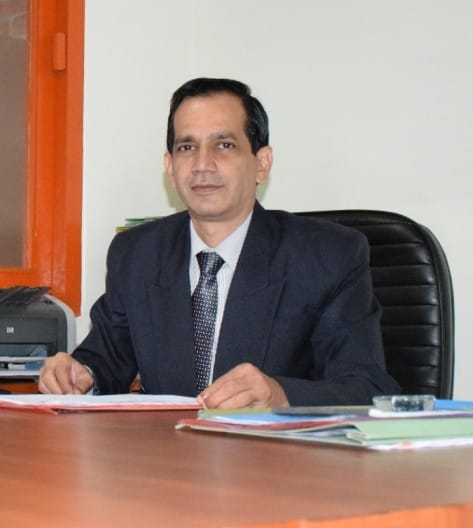
Ebney Sunjida Abedin

Ebney Sunjida Abedin

Lecturer

Daffodil International University

Profile ID RP-004-1330 Joined 2026-07-02 4 articles
0Connections
4
Total Views
4
Total Publications
61
Publication Views

Articles(4)

Authors: Md. Imdadul Haque, Md. Monir Hossain Shimul, Kawsar Ahmed, Sabita Halder, Sharmin Sultana, Ebney Sunjida Abedin, Md. Shahinuzzaman, Sabina Sharmin, A. B. M. Alauddin Chowdhury

DOI: 10.1155/mij/3687331

Volume2026
Issue1
Pages1-10
Abstract

Background The COVID‐19 pandemic forced global school closures, requiring families to adapt to remote learning and prolonged home confinement. Although parental mental health has been widely studied in high‐income countries, evidence from Bangladesh is limited, with prior studies mainly focusing on adolescents and university students. This study assessed the prevalence of depressive and anxiety symptoms among mothers and fathers of school‐aged children in selected government residential colonies in Dhaka city during the pandemic. Methods Between March and October 2023, a cross‐sectional survey was conducted among 405 parents in Dhaka city using in‐person interviews with a structured questionnaire. Depressive symptoms were measured with the CES‐D‐10 scale, anxiety symptoms with the GAD‐7 scale, and overall mental health with the MHI‐5 scale. Chi‐square tests and descriptive analyses were used to examine associations with mental health outcomes. Results Of 405 parents, 95.8% reported depressive symptoms and 95.9% reported anxiety symptoms, with mothers exhibiting significantly higher severity than fathers ( p < 0.05). Depressive symptoms were significantly associated with higher maternal education (OR = 3.75), whereas anxiety symptoms were linked to younger maternal age ( p < 0.01) and maternal employment ( p < 0.05). Mental health scores declined progressively with increasing anxiety symptoms severity and presence of depressive symptoms (both p < 0.001), indicating a considerable psychological burden following the COVID‐19 pandemic period. Conclusion These findings indicate very high levels of depressive symptoms and anxiety symptoms among parents of school‐aged children in selected government residential colonies in Dhaka city, suggesting a considerable psychological burden following the pandemic period. They underscore the urgent need for targeted, gender‐sensitive, and family‐centered interventions, including psychosocial support and educational guidance, to mitigate potential long‐term consequences for both parents and children.

Authors: Salma Akter, Taslima Sharmin, Shuma Ikram, Eva Parvine, Rokshana Akhter, Afroza Begum, Ebney S. Abedin

DOI: 10.4103/jpbs.jpbs_1675_24

Volume17
Issue6
PagesS2434-S2438
Abstract

A BSTRACT Introduction: Prenatal radiation exposure raises significant concerns regarding its effects on pregnancy and neonatal health, particularly regarding increased risks of adverse outcomes. This study aims to evaluate these risks and their association with varying radiation doses. Aim of the Study: To assess the impact of prenatal radiation exposure on pregnancy outcomes and neonatal development among pregnant women in Bangladesh. Methods: A sample of 120 pregnant women was recruited from Bangladesh Medical College Hospital and other private hospitals between 2023 and 2024. Participants were classified by age, gestational age at exposure, and type of radiation received. Key outcomes measured included miscarriages, preterm births, congenital anomalies, low birth weight, and neurodevelopmental delays, categorized into three exposure groups: <100 mGy, 100–200 mGy, and >200 mGy. Results: The study found a clear dose-dependent relationship between radiation exposure and adverse outcomes. Among the <100 mGy group, there were 2 miscarriages and 2 congenital anomalies. In the 100–200 mGy group, there were 6 miscarriages and 8 congenital anomalies, while the >200 mGy group exhibited the highest rates with 10 miscarriages and 10 congenital anomalies. Additionally, average birth weights decreased with higher exposure levels: 3200 g in the <100 mGy group compared to 2800 g in the >200 mGy group. Conclusion: These findings highlight the critical need for careful assessment and management of radiation exposure during pregnancy to minimize risks to maternal and fetal health. The study underscores the importance of informed decision-making and adherence to radiation safety protocols in clinical practice.

Authors: Ebney Sunjida Abedin, Taslima Sharmin, Hafiz T.A Khan, Sahin Khan, Skyler Crouch, Ronjini Sinha, Tanzina Rahman, Subhra Rani Das, Imdadul Haque

DOI: 10.52783/jchr.v15.i6.10674

Volume15
Issue6
Pages298-309
Abstract

Background: University students' concerns about eating disorders have been growing, especially in poorer countries. However, we could address the relationship between eating disorders and different behavioral issues.This study investigates the relationship between eating disorders (EDs) and behavioral and mental health issues among Bangladeshi undergraduate students. Methods: Cross-sectional research was performed, including 420 undergraduate students from four institutions, utilizing validated instruments: the Eating Disorder Examination Questionnaire (EDE-Q 28) and the Generalized Anxiety Disorder scale (GAD-7). Behavioral challenges were also evaluated. Multiple linear regression was conducted to identify characteristics strongly correlated with ED symptoms. Results: The incidence of eating disorders was 2.6%, whereas 5.8% of students indicated experiencing severe anxiety. ED symptoms were significantly predicted by generalized anxiety disorder (p < 0.001), low appetite (p = 0.0159), fear for relatives' health (p < 0.001), gender (p = 0.0154), university type (p = 0.0008), and monthly family income (p = 0.0029). A slight correlation was seen between positive thoughts (p = 0.0515). Behavioral difficulties like fatigue, insomnia, and worry were not statistically significant but were commonly reported. Conclusion: The results demonstrate how EDs are complex and impacted by both sociodemographic and psychological aspects. In Bangladeshi university settings, early screening programs and integrated mental health interventions are crucial for addressing eating disorders.

Authors: Bed Prakash Sharma, Md. Imdadul Haque, Md. Biplob Hossain, Rebeka Jesmin Sarker, Ebney Sunjida Abedin, Md. Shahinuzzaman, Kazi Saifuddin, Russell Kabir, ABM Alauddin Chowdhury

DOI: 10.1016/j.jtumed.2024.03.007

Volume19
Issue3
Pages482-491
Abstract

Objective: Cancer is a major cause of death globally, and places a substantial burden on both patients and their caregivers. Frequent stress among caregivers often affects their mental well-being. This study was aimed at assessing anxiety and depression levels among informal caregivers of patients with cancer treated at selected tertiary hospitals in Nepal. An additional aim was to identify sociodemographic factors associated with these mental health outcomes. Methods: In this cross-sectional study, 383 informal caregivers were surveyed with the Hospital Anxiety and Depression Scale (HADS). Statistical analyses, including descriptive analysis and binary logistic regression, were conducted to explore associations with sociodemographic variables. Results: The mean age of participants was 36.1 ± 13.1 years, and 56.1% were 12-36 years old. Most participants were married (81.5%), were unemployed (66.6%), and had primary to secondary education (66.6%). The prevalence of moderate to severe anxiety (52%) and Depression (45%) among caregivers was notable. Caregivers of patients treated at non-governmental hospitals were six times more likely (OR 6.3, 95% CI: [3.62e10.95], P ¼ 0.001) to have anxiety and five times more likely (OR 5.3, 95% CI: [8.28e19.32], P ¼ 0.001) to have depression. Conclusion: People who take care of patients with cancer in Nepal often feel substantial stress. Determining the causes of these feelings can aid in the creation of programs to support caregivers’ mental health. Caring for mental well-being among caregivers is critical to achieving better cancer care and quality of life. Keywords: Anxiety; Cancer; Caregivers; Depression; Nepal; Tertiary hospital

No matching articles

Try another word from the title, author or DOI.

Brief Bio

No bio added yet.

Affiliations

Nothing added yet.

Education

Nothing added yet.

Honors & Awards

Nothing added yet.

Society Memberships

Nothing added yet.

Expertise

Nothing added yet.

Specialty

Nothing added yet.

Other Online Pages

Scholars in the same field

CM
Carol Mary Koshy
0 publications
SN
Shikha Naagar
0 publications
SP
Saroj Patidar
0 publications
NB
Nirjan Biswas
0 publications
RM
RAVINDRA MOHAN
0 publications
PS
parimala subramani
0 publications
LT
LIKHITHA T G
0 publications
Dr Sameer Dileep Joshi
LNBCIEM Satara Maharashtra
0 publications
AK
Ajay Kumar Singha
0 publications

Following

Nobody here yet.

Followers

Nobody here yet.

4 Publications