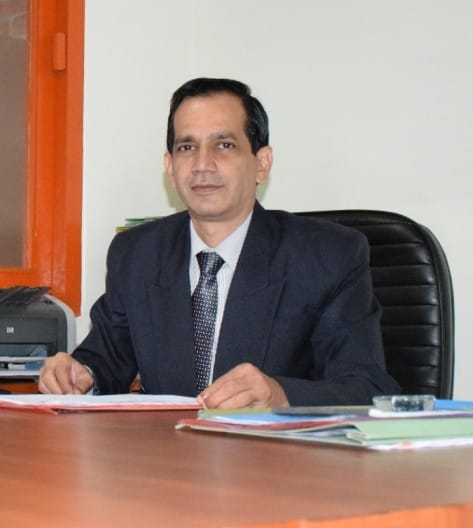
Abdullah Al Rafi

Abdullah Al Rafi

Researcher

University of science and technology Chittagong

Profile ID RP-003-8239 Joined 2026-02-09 2 articles
0Connections
8
Total Views
2
Total Publications
75
Publication Views

About me

Abdullah Al Rafi, born in Chittagong, is a passionate Bangladeshi young researcher and aspiring scientist. He is currently an undergraduate student in the Department of Biochemistry and Biotechnology at the University of Science and Technology Chittagong (USTC). His academic and research interests focus on Neurobiology, Bioinformatics, and Drug Design,, alongside involvement in emerging scientific ideas and interdisciplinary learning. Abdullah Al Rafi actively takes initiative in research, scientific writing, and knowledge-driven projects aimed at advancing healthcare and medical science.

Articles(2)

Authors: Jannatul Nayma Eshita, Abu Bakar Al Mizan, Istekab Bin Yousuf, Tazeen Tarannum Sadia, Sidratul Muntaha, Sumaia Alam, Abdullah Al Rafi, Debabrata Mallick

DOI: 10.64898/2025.12.25.25342994

Volume2025
Issue25342994
Pages2025.12. 25.25342994
Abstract

To examine long-term trends in the prevalence and burden of diabetes among adults in Bangladesh from 2000 to 2050 using historical estimates and future projections.A descriptive epidemiological trend analysis using secondary data from the International Diabetes Federation (IDF) Diabetes Atlas (2000, 2011, 2024, and 2050 projections) and prevalence estimates calibrated with the Bangladesh Demographic and Health Survey (BDHS) 2017– 2018.Bangladesh, South-East Asia Region. Adults aged 20–79 years included in IDF diabetes estimates; additional population-level prevalence information drawn from BDHS. Number of adults with diabetes and age-standardised diabetes prevalence. The number of adults (20–79 years) with diabetes increased from 1.8 million in 2000 to 13.9 million in 2024, and is projected to reach 23.1 million by 2050. Age-standardised prevalence rose from 10.5% in 2011 to 13.2% in 2024, with a further increase to 15.4% projected for 2050. In 2024, 39.1% of adults with diabetes remained undiagnosed. Impaired fasting glucose and impaired glucose tolerance affected 19.1 million and 14.5 million adults respectively in 2024, with substantial projected increases by 2050. Bangladesh ranks second highest in the South-East Asia Region in both prevalence and total number of adults with diabetes, following India. Diabetes-related mortality accounted for 31,619 deaths in 2024, and health expenditure reached USD 1.03 billion, increasing further in future projections. Bangladesh faces a rapidly escalating diabetes epidemic, marked by sharp increases in prevalence, undiagnosed cases, metabolic risk conditions, and healthcare expenditure. Without immediate public health interventions particularly lifestyle modification programmes, expanded screening, and strengthened surveillance the diabetes burden is expected to rise substantially by 2050.

Authors: Abdullah Al Rafi, Kashefatun Nur Orni, Tasnuba Ashraf Subah, Saima Akther, Ankita Acharjee, Imran Al Zuhayr, Debabrata Mallick

DOI: 10.64898/2025.12.05.25341679

Volume2026
Issue2026
Pages2025.12. 05.25341679
Abstract

Abstract Introduction Among women in Bangladesh, breast and cervical cancers remain the most frequently diagnosed malignancies. To strengthen early detection, In 2005, a national VIA-based cervical cancer screening initiative was launched, followed later by the addition of CBE for breast cancer and later integrated Clinical Breast Examination (CBE) for breast cancer screening. Since 2013, the Ministry of Health and Family Welfare (MOHFW) has implemented an electronic reporting system based on DHIS2 for aggregated health data, complemented by a casebased reporting stream established under the National Centre for Cervical and Breast Cancer Screening and Training (NCCBCST). This study reviews and evaluates VIA, colposcopy, and CBE screening data from 2024–2025 to assess the effectiveness, reliability, and overall performance of the electronic reporting system. Methods A descriptive approach was employed, using secondary data obtained from both the aggregated and case-based DHIS2 electronic databases. The study included women aged 30–60 years screened for cervical cancer using VIA and all women undergoing CBE across multiple levels of health facilities, including community clinics, upazila and district hospitals, medical colleges, tertiary hospitals, and BSMMU. Data from 2024–2025 were cleaned and analysed in Microsoft Excel to assess screening volumes, positivity rates, and division-wise variations. Aggregated and case-based datasets were compared to evaluate completeness, consistency, and functionality of the reporting system. Results Across 2024–2025, a total of 917,845 VIA tests and 964,228 CBE tests were performed nationwide. The national VIA-positivity rate was 9.7%, with the highest rates observed in Mymensingh (12.1%) and Rangpur (11.4%). A total of 20,819 colposcopy tests were conducted, showing a high national colposcopy-positivity rate of 147.2%, indicating a substantial number of referrals originating outside routine VIA screening. CBE positivity averaged 4.9%, with notable regional variation—highest in Rangpur (7.1%) and lowest in Barishal (2.9%). Screening participation was highest in the Dhaka division, whereas Sylhet consistently exhibited the lowest levels of service use. Aggregated and case-based reporting displayed strong alignment for key indicators, though referral pathway inconsistencies were observed. Conclusions Electronic reporting through DHIS2 both aggregated and case-based proved effective for monitoring cervical and breast cancer screening activities in Bangladesh, enabling large-scale data capture, geographic analysis, and programme oversight. However, substantial inter-divisional disparities, low screening uptake in specific regions, and referral-linkage gaps between VIA and colposcopy highlight areas for improvement. Improving quality control mechanisms, adopting unique identifiers, and reinforcing referral pathways could enhance overall equity and efficiency of the national cancer-prevention programme. Keywords: Cervical Cancer Screening; Breast Cancer Screening; VIA and CBE Positivity; DHIS2 Reporting System; Bangladesh Public Health Data.

No matching articles

Try another word from the title, author or DOI.

Brief Bio

Abdullah Al Rafi, born in Chittagong, is a passionate Bangladeshi young researcher and aspiring scientist. He is currently an undergraduate student in the Department of Biochemistry and Biotechnology at the University of Science and Technology Chittagong (USTC). His academic and research interests focus on Neurobiology, Bioinformatics, and Drug Design,, alongside involvement in emerging scientific ideas and interdisciplinary learning. Abdullah Al Rafi actively takes initiative in research, scientific writing, and knowledge-driven projects aimed at advancing healthcare and medical science.

Affiliations

Nothing added yet.

Education

Nothing added yet.

Honors & Awards

Nothing added yet.

Society Memberships

Nothing added yet.

Expertise

Nothing added yet.

Specialty

Nothing added yet.

Other Online Pages

Scholars in the same field

CJ
Chandiran Joseph
0 publications
MV
Manisha Verma
0 publications
SD
Shivani Datta
0 publications
IH
Imtiyaz Hussain
0 publications
BG
Bhupendra Gupta
0 publications
AK
Dr Anil Kumar Dwivedi
Veer Chandra Singh Garhwali Government Institute of Medical Science and Research, Srinagar Garhwal Uttarakhand, India
0 publications
DL
Dhanya Leelamony
0 publications
TJ
Tintu Jose
0 publications
SG
Shiny George
0 publications
Dr Sameer Dileep Joshi
LNBCIEM Satara Maharashtra
0 publications

Following

Nobody here yet.

Followers

Nobody here yet.

2 Publications