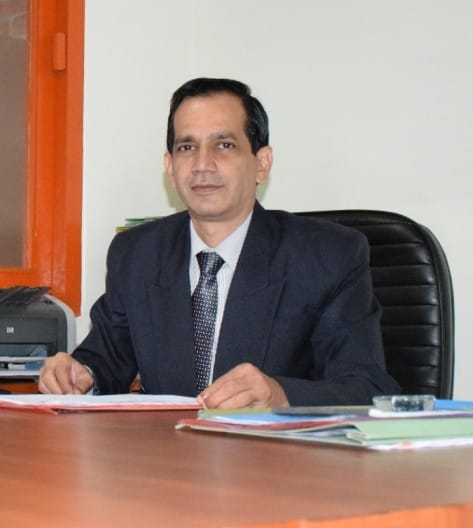
Tokeshwar Kumar Sahu

Tokeshwar Kumar Sahu

Junior Research Scientist

Department of Microbiology, Jawaharlal Nehru Medical College, Datta Meghe Institute of Higher Education & Research, Sawangi Meghe, Wardha

Profile ID RP-003-5738 Joined 2025-09-17 2 articles
0Connections
7
Total Views
2
Total Publications
64
Publication Views

About me

Junior Research Scientist at the Department of Microbiology, Jawaharlal Nehru Medical College, DMIHER, Wardha, contributing to research and advancement in microbiological sciences.

Articles(2)

Authors: Tokeshwar Kumar Sahu, Jaishriram Rathored, Praful Patil

DOI: 10.22207/jpam.20.1.30

Volume20
Issue1
Pages118
Abstract

Bacterial persisters are a tiny group of bacterial cells that manage to survive antibiotic exposure without becoming genetically resistant. These cells slip into a temporary resting state that protects them from drugs and lets the infection come back later. Their formation is influenced by many stress factors such as antibiotics, the host’s immune molecules like reactive oxygen and nitrogen species, a lack of nutrients, and the slow-growth conditions found in biofilms. Inside the cell, several survival systems work together including the stringent response, toxin-antitoxin activity, ribosome hibernation, protein and DNA repair mechanisms, and changes in energy balance to keep the bacteria dormant but alive. Studies using single-cell tools show that not all persisters behave the same; some wake up quickly when the stress is gone, while others take much longer. The return to activity mainly depends on the recovery of energy, protein quality, and translation processes, all of which are shaped by signals from the surrounding environment and host tissues. Understanding how these cells go to sleep and wake again has led to new treatment ideas such as forcing them to wake before applying antibiotics (“wake-and-kill”) or targeting them while they are still inactive (“kill-in-sleep”). Even with these advances, it remains difficult to clearly define persisters or to turn lab findings into reliable clinical treatments.

Authors: Tokeshwar Kumar Sahu, Praful Patil, Mridula Parganiha, Jaishriram Rathored

DOI: 10.18231/j.ijmr.13424.1771576109

Volume13
Issue1
Pages3-11
Abstract

Neonatal sepsis remains a leading cause of neonatal mortality in India, compounded by a high incidence of infection and escalating antimicrobial resistance. This review synthesizes Indian multicentre and single-centre studies published between 2010 and 2024 to characterize pathogen distribution, resistance trends, diagnostic limitations, clinical management gaps, and infection-control challenges in neonatal intensive care units. A structured literature search of PubMed, Scopus, Web of Science and Google Scholar was performed; eligible studies reporting microbial etiology, antimicrobial-susceptibility, diagnostics or infection- prevention in Indian neonates were included. Across settings Gram-negative bacilli—principally Klebsiella pneumoniae, Acinetobacter spp. and Escherichia coli—predominate and display high rates of resistance to aminoglycosides and third-generation cephalosporins, with rising carbapenem resistance; Gram- positive organisms (Staphylococcus aureus, coagulase-negative staphylococci) and fungal pathogens remain important contributors, especially in late-onset and device-associated infections. Diagnostic sensitivity is limited by low blood-culture yield and restricted access to molecular assays, driving prolonged empirical broad-spectrum therapy. We outline an implementation-oriented roadmap emphasizing strengthened diagnostics, local antibiogram-guided empiric therapy, embedded antimicrobial stewardship, improved infection-control infrastructure, and targeted research priorities including neonatal pharmacokinetic trials and maternal immunization strategies. This India-focused synthesis integrates recent multicentre evidence with regional data to offer actionable recommendations for reducing neonatal mortality while curbing antimicrobial resistance.

No matching articles

Try another word from the title, author or DOI.

Brief Bio

Junior Research Scientist at the Department of Microbiology, Jawaharlal Nehru Medical College, DMIHER, Wardha, contributing to research and advancement in microbiological sciences.

Affiliations

Nothing added yet.

Education

Nothing added yet.

Honors & Awards

Nothing added yet.

Society Memberships

Nothing added yet.

Expertise

Nothing added yet.

Specialty

Nothing added yet.

Other Online Pages

Scholars in the same field

RS
Ritvik Sharma
0 publications
NA
Niyati Airan
Veer Chandra Singh Garhwali Government Institute of Medical Science and Research, Srinagar Garhwal, Uttarakhand.
0 publications
AD
Abhijit Das
0 publications
SP
Sambunki Pakem
0 publications
RM
RAVINDRA MOHAN
0 publications
HP
Himanshu Pandey
0 publications
Dr Sameer Dileep Joshi
LNBCIEM Satara Maharashtra
0 publications
AR
Ananta Raj Sharma
0 publications
AS
Amaresh Sahoo
0 publications

Following

Nobody here yet.

Followers

Nobody here yet.

2 Publications