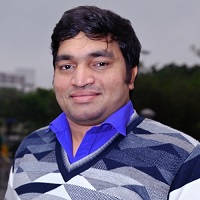
Subhajit Panda

Subhajit Panda

Assistant Librarian

Chandigarh University

Profile ID RP-000-0227 Joined 2023-01-16 3 articles

Articles(3)

Authors: Ram Veer, Subhajit Panda

DOI: 10.18231/j.ijlsit.2022.020  

Volume7

Issue2

Pages113-123

Abstract

Information is now considered to be essential to daily life. Libraries act as a hub for always giving the correct information to the right individuals. User studies must be acknowledged as a crucial component of the information packages. Libraries and other information providers should be aware of how people find information to improve the services they offer. This paper describes a survey designed to determine the information-seeking behaviour of Teachers and Students at Jan Nayak Ch. Devi Lal Vidyapeeth, Sirsa. Almost 200 respondents (44.4%) are chosen for the study from the 450 targeted samples. Additionally, a systematic, closed-ended questionnaire was used to gather the data. This study calculates the weighted average of the supplied criteria in addition to percentage analysis in order to make the acquired data more visible and easier to interpret. According to the study's findings, the targeted samples are likely to conduct their own independent research and encounter certain challenges because there are few pertinent information sources available in libraries. The report also recommended expanding informal communication as a way to facilitate information flow. Keywords: Information Need, Information Seeking Behavior, Teachers, Students, JCD Vidyapeeth, Library Resources

Open full article page

Authors: Subhajit Panda

DOI: 10.18231/j.ijlsit.2021.006  

Volume6

Issue1

Pages20-29

Abstract

Bibliometrics is the discipline where quantitative methods were employed to probe the scientific communication process by measuring and analyzing various aspects of written documents. It helps to monitor the growth of literature and patterns of research. The present paper is based on the analysis of IP Indian Journal of Library Science and Information Technology (IJLSIT) with the help of bibliometrics parameters during the period 2016 to 2020. Among the several bibliometric parameters, the study utilizes mainly the number of articles per volume or year, authorship pattern, collaborative pattern, top-most authors, state-, designation-& affiliation-wise contribution, reference per article count, cited resources type, research trends and research interests. The research data of this study collected manually, analysed with the help of an MS Excel spreadsheet and distinguished according to different types of bibliometric elements. The findings of the study suggested that in IJLSIT, the maximum number of articles published in the year 2019 (25.74%), 53.47% (54) articles contributed by a single author, and the overall collaboration rate is 0.47. Furthermore, 90% (91) of articles contributed by Indian authors and Hemantha Kumar G.H. is the most productive author. Maharastra (18.81%) being the most contributed Indian state, Benue State University & Rayalaseema University (4.95%) being the most contributed institutions and College Librarians are the most designated contributors (20.79%). The study further revealed that 0-5 pages are the most common length, 6-10 references are the most common references used per article, and periodicals are the most commonly cited reference types. The area “Digital Library” is nurtured most among researchers, whereas, the year 2018, vol. 3, issue 1 consists of the maximum views number (18.01%) and the year 2020, vol. 5, issue 1 has the most number of downloads (22.92%). Keywords: Bibliometrics, Research Productivity, IP Indian Journal of Library Science and Information Technology, Author Productivity, Collaboration Pattern.

Open full article page

Authors: Subhajit Panda

DOI: 10.18231/j.ijlsit.2023.004  

Volume8

Issue1

Pages20-25

Abstract

Purpose: The paper introduces ChatPDF as a solution to the limited interaction capabilities of traditional PDF readers in library systems. It highlights the benefits of ChatPDF for enhancing user engagement and satisfaction with digital resources in libraries, and identifies potential areas for implementation and opportunities for further research. Design/methodology/approach: The paper addresses the issue of limited PDF interaction capabilities of traditional PDF readers in library systems and their potential to cause frustration and disengagement among users. It proposes ChatPDF, an online software platform that leverages ChatGPT API to offer a more intuitive and natural way of engaging with PDF documents. The paper also outlines the various features and advantages of ChatPDF and its potential impact on library systems. Findings: The paper concludes that ChatPDF offers a more advanced and user-friendly approach to interacting with PDF files than traditional PDF readers. It recommends libraries to consider implementing ChatPDF to enhance user engagement and satisfaction with their digital resources. The paper also identifies limitations and opportunities for future research in evaluating the impact of ChatPDF on user experience and library systems. Originality: This paper introduces ChatPDF as a solution to the limited PDF interaction capabilities in library systems, highlighting its unique features and benefits, such as summarization, recommendations, multi-lingual support, and AI assistance. It also discusses the potential impact of ChatPDF implementation on library systems, making it an original and valuable contribution to the field of library science. Keywords: ChatPDF, ChatGPT API, Traditional PDF Readers, User Engagement, Interactive PDF, Library

Open full article page

No matching articles

Try another word from the title, author or DOI.